What is offshore fishing?
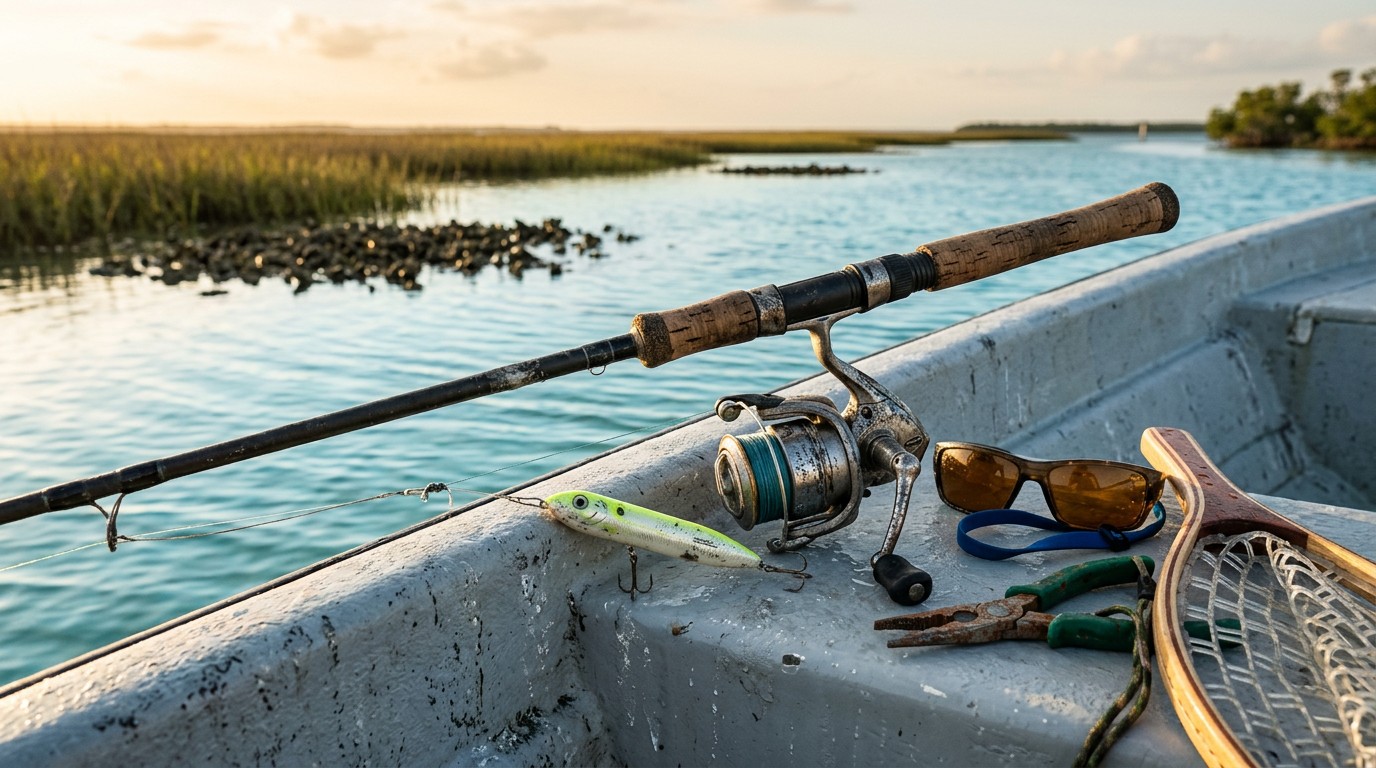
Offshore fishing is saltwater fishing in open, deeper water beyond the nearshore zone. A run may be only a few miles where deep water lies close to shore, or much farther where the continental shelf is broad. Coastal geography and local terminology vary, so there is no universal distance or depth cutoff.
Inshore, nearshore, offshore, deep sea and bluewater fishing compared
| Term | Typical setting and range | Depth and boat | Common targets and trip style |
|---|---|---|---|
| Inshore | Bays, estuaries, close to land | Shallow; skiffs or bay boats | Redfish, striped bass; shorter trips |
| Nearshore | Coastal water beyond inshore | Moderate; center consoles | Cobia, mackerel, reef fish |
| Offshore | Open water beyond nearshore | Deeper; offshore-capable boats | Tuna, mahi-mahi, grouper; longer trips |
| Deep sea | General term for deeper offshore water | Varies; larger capable boats | Pelagic or bottom fish |
| Bluewater | Clear oceanic water, often farther out | Deep; offshore boats | Tuna, wahoo, billfish; often trolling |
Deep sea fishing often overlaps with offshore fishing. Bluewater is usually more specific, but usage varies by region.
State waters, federal waters and local definitions
Crossing from state waters into federal waters can change which fishing rules apply, but that boundary does not universally define offshore fishing. Confirm licenses, seasons, bag limits, protected species rules, and boundaries with the charter operator and the relevant official state wildlife agency before departure.
How far offshore do trips go, and how long do they take?
Run distance depends on where fish, structure, and favorable water meet. Reefs or wrecks may hold fish close to port, while tuna or mahi-mahi might require a longer run toward the continental shelf, temperature breaks, or currents such as the Gulf Stream. The same target species can be 15 miles out one week and much farther the next.
Half-day versus full-day offshore charters
| Trip length | Likely range and fishing time | Best fit and cost drivers |
|---|---|---|
| About 6 hours | Shorter run, often 2-4 hours of fishing | Groups prioritizing comfort or nearby targets; fuel, bait, and run distance affect price |
| 8-12 hours | More range and usually more fishing time | Anglers seeking distant structure or pelagic fish; added fuel and crew time increase cost |
A six-hour trip with a 90-minute run each way leaves roughly three hours to fish. Longer trips provide more options, but also mean more time underway and greater exposure to sea conditions. Compare the tradeoffs in this half-day versus full-day fishing charter guide.
A realistic offshore fishing charter timeline
- Arrive 20-30 minutes early for loading, introductions, and the safety briefing.
- Leave the dock and make the offshore run while the crew prepares bait, leaders, and trolling gear.
- Fish in rotations, moving between spots or changing techniques as conditions dictate.
- Let the crew handle gaffing, releasing, icing, and any legal fish retained.
- Reel in on schedule so the boat can return to the dock on time.
Why offshore schedules can change
The captain may adjust departure time, destination, or technique based on the weather window, wave period, fuel range, and recent fish locations. Rough seas can make a distant run unsafe or uncomfortable. Confirm the latest plan and cancellation policy with the operator before leaving for the marina.
Target fish and offshore fishing techniques
Offshore crews target two broad groups. Pelagic fish roam the water column, often following bait, current edges, or floating debris. Mahi-mahi, tuna, wahoo, and billfish fit this pattern. Bottom fish such as grouper and snapper hold near reefs, wrecks, ledges, and natural structure. Availability changes with location, water temperature, current, and fishing season. Confirm current harvest rules with the captain and relevant official state wildlife agency.
Trolling for pelagic fish
Trolling covers open water by pulling live bait or artificial lures behind a moving boat at staggered distances and depths. Crews watch birds, weed lines, temperature breaks, and sonar for signs of feeding fish. When a strike comes, clear unused lines quickly and follow the mate’s directions to avoid tangles.
Bottom fishing for grouper and snapper
Bottom fishing places bait or jigs close to structure, sometimes in 80-300 feet of water or more. Conventional tackle provides line capacity and leverage for stopping fish before they reach cover. A bite may feel like a sharp tap, added weight, or sudden run.
Heavy sinkers, strong current, and repeated deep retrieves can make this method physically demanding. Depth also affects how fish must be handled and released.
Drifting and jigging
Drifting lets wind and current carry baits across a productive zone. Jigging uses repeated rod lifts to work a metal lure vertically or diagonally. Both methods can target suspended pelagic fish or bottom-oriented species.
| Technique | Common targets | Best conditions | Physical effort |
|---|---|---|---|
| Trolling | Mahi-mahi, tuna, wahoo, billfish | Open water and scattered fish | Low until hookup |
| Bottom fishing | Grouper, snapper | Reefs, wrecks, and ledges | Moderate to high |
| Drifting | Tuna, snapper, other roaming fish | Manageable wind and current | Low to moderate |
| Jigging | Tuna, grouper, snapper | Fish marked at a known depth | High |
Offshore boats, tackle and onboard equipment
Offshore range, passenger count, and expected sea conditions matter more than boat style alone. A suitable boat needs enough fuel capacity for the planned run, clear deck space for safe fishing, secure storage, and seating for the ride. Shade becomes especially valuable during an 8-12-hour trip.
Center console versus sportfishing boat
| Boat type | Fishing and mobility | Comfort and protection |
|---|---|---|
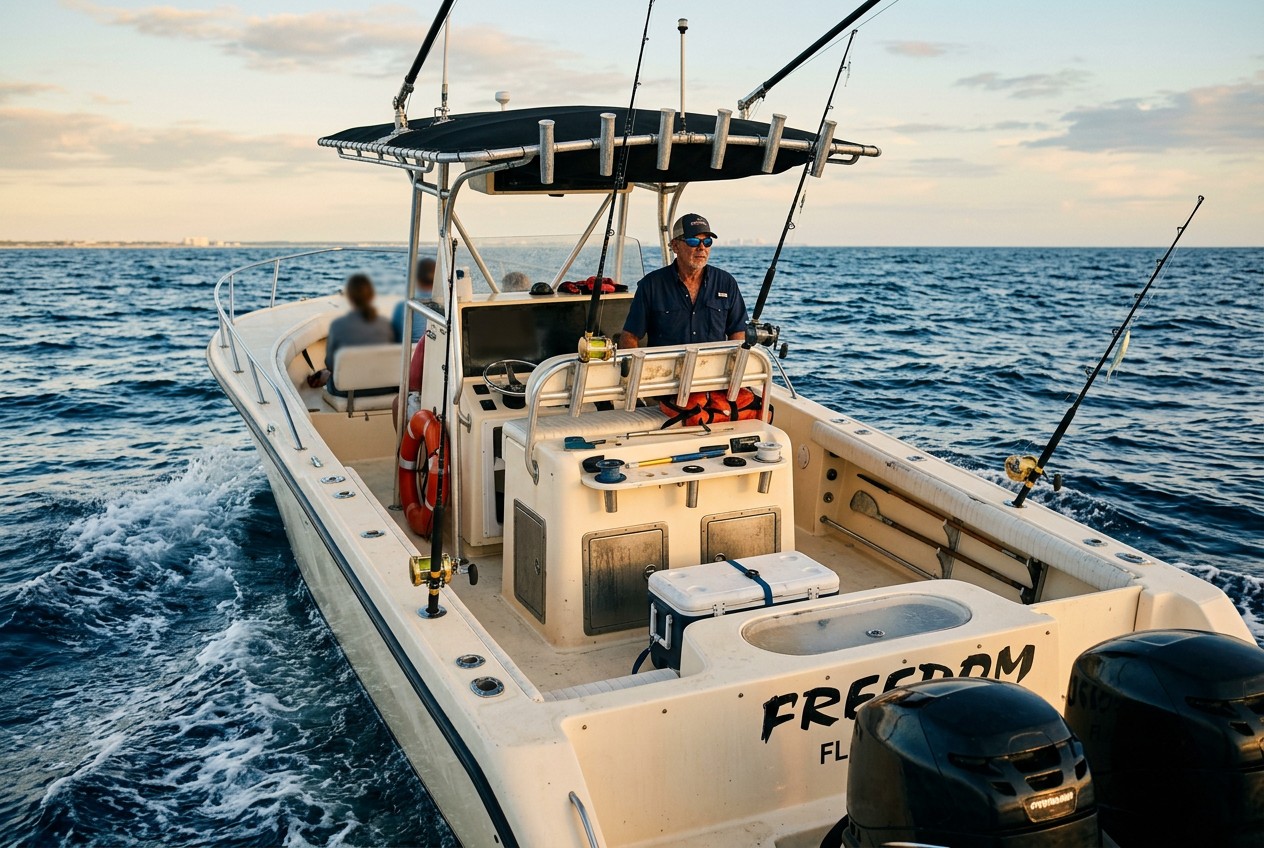
| Center console | Walkaround access, open casting space, and easy movement around the boat | Protection varies; may have limited seating, shade, storage, and toilet facilities |
| Sportfishing boat | Large cockpit suited to trolling and fighting bigger fish | Often includes a cabin, enclosed toilet, more seating, and better weather protection |
Neither is automatically better. A center console may be ideal for an active group, while a sportfishing boat can suit families or guests who value a cabin and a smoother place to rest. Ask about actual seating, shade, toilet access, and dry storage before booking.
Conventional tackle, spinning tackle, bait and lures
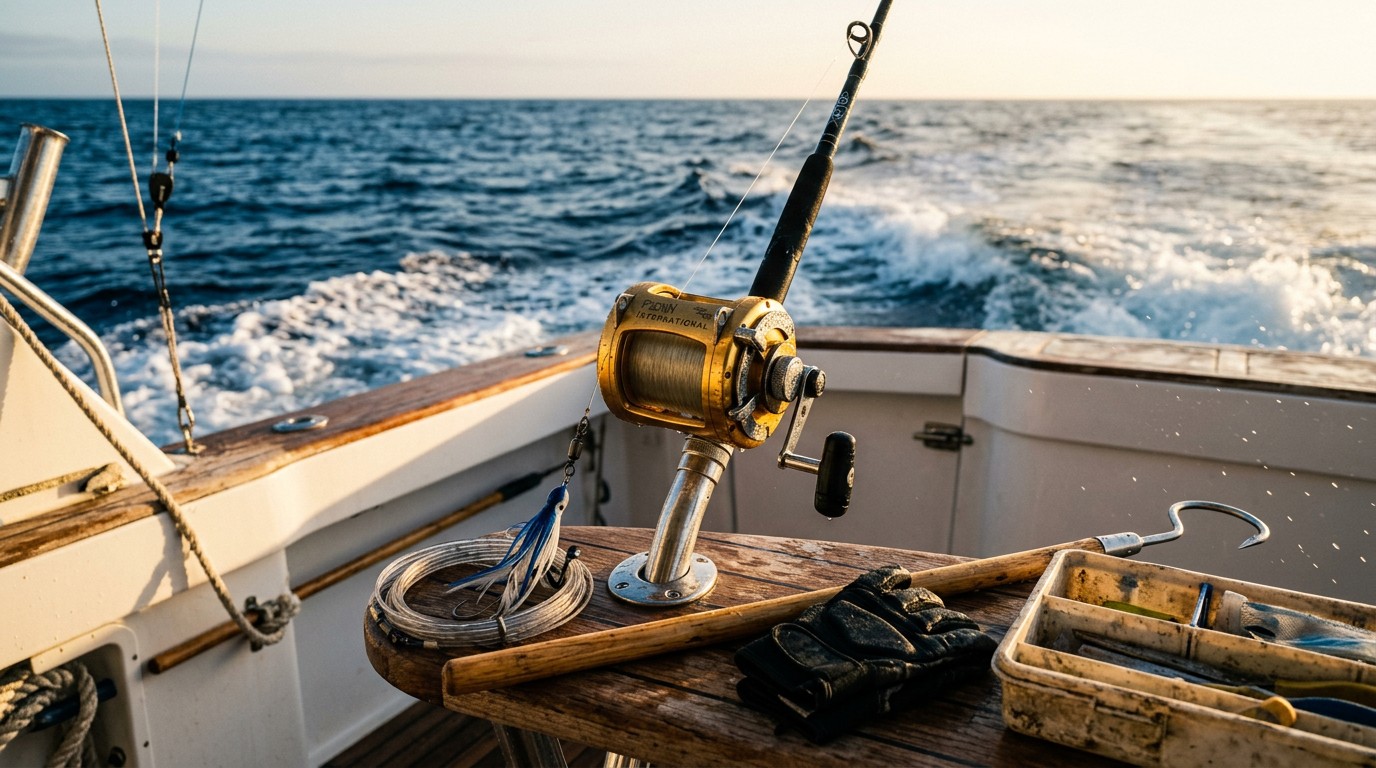
Conventional tackle offers line capacity and leverage for trolling, deep bottom fishing, and larger fish. Spinning tackle works well for casting to mahi-mahi, working lighter jigs, or presenting bait near the surface.
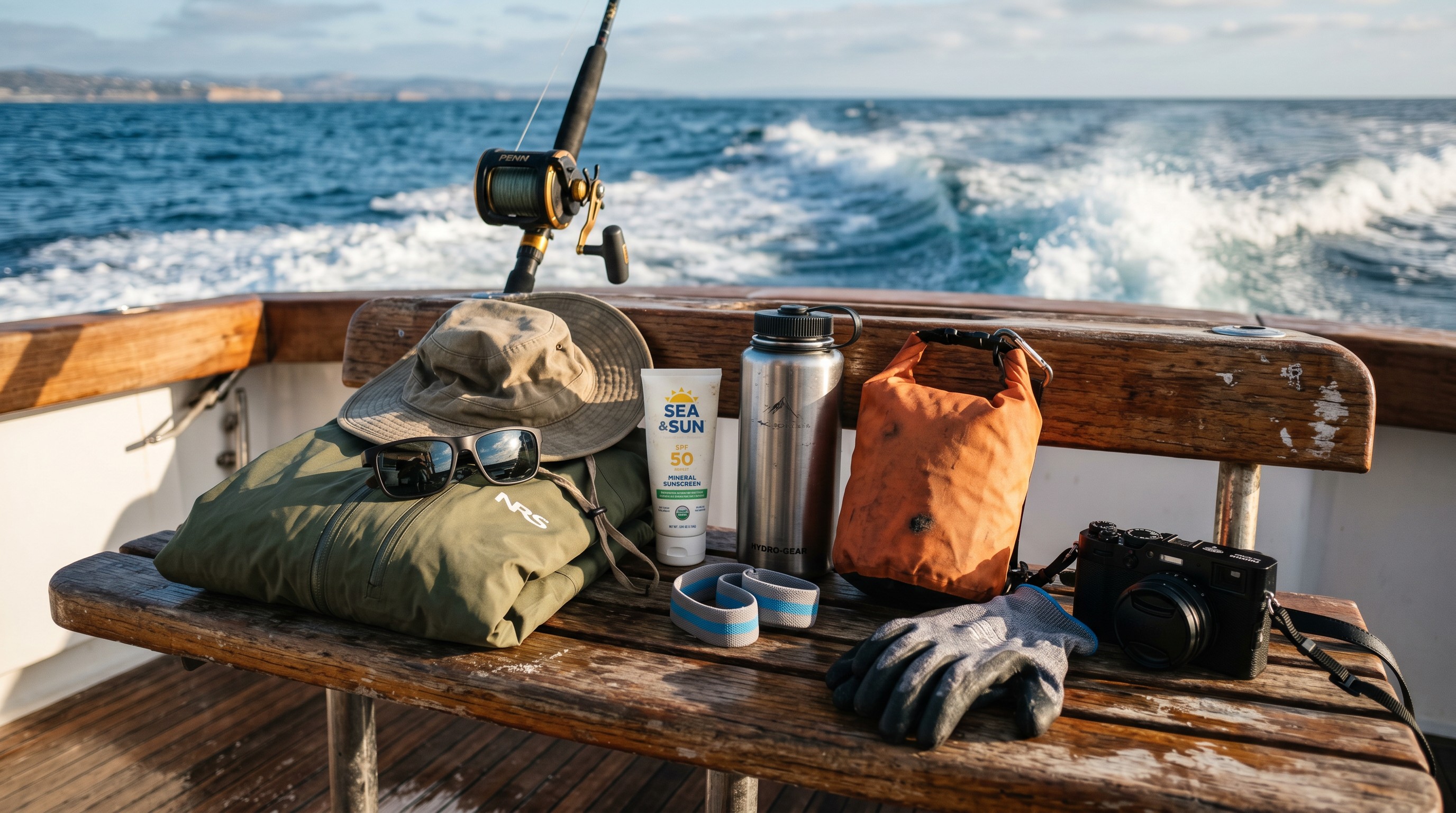
Crews may use live bait when a natural presentation matters, then switch to artificial lures for covering water or reaching depth. Charters commonly provide rods, reels, tackle, bait, ice, and required safety equipment, but policies vary. Confirm before bringing personal rods. Guests usually supply sun protection, weather-appropriate clothing, food, drinks, and a small waterproof bag.
How to choose and book an offshore fishing charter
Compare the trip plan, captain, boat, and policies before paying a deposit. Offshore fishing can include long runs and quiet stretches between bites. Weather and fish movement may force the crew to change locations or techniques, and no responsible operator can guarantee a catch.
Questions to ask before booking
Use this checklist when contacting an operator:
- Which species are you currently targeting, and what techniques will we use?
- How many miles and hours do you expect to run?
- Does the boat have shade, dry seating, a cabin, and a private toilet?
- Are rods, reels, tackle, live bait, artificial lures, ice, and licenses included?
- Is fuel included, or can a fuel surcharge apply?
- Who cleans and bags legal fish, and is that service included?
- Is crew gratuity included, and what amount is customary?
- What happens if weather cancels the trip?
- Can the captain shorten, reschedule, or change the destination?
- What drives the final price, including trip length, fuel use, bait, and group size?
Read the operator’s deposit and cancellation terms before booking. For more detail, see how to choose a fishing charter and what affects fishing charter cost.
Is the trip suitable for your group?
Tell the operator about children, first-time anglers, limited mobility, balance concerns, or susceptibility to seasickness. Ask how passengers board the boat, where they sit during a two-hour run, and whether they must step over raised hatches or narrow gunwales.
Confirm toilet privacy, shade coverage, cabin access, and minimum age policies. A comfortable 6-hour trip on a protected boat may suit some groups better than a 12-hour run on an open center console.
What beginners should expect from the crew
The crew should explain emergency procedures, safe movement, hook awareness, and personal flotation device locations. They will usually set drags, demonstrate the tackle, organize fishing rotations, and coach anglers through hookups.
Let the crew handle gaffing, dehooking, legal measurements, releases, and icing unless directed otherwise. This beginner’s fishing charter guide explains the dock-to-dock experience in more detail.
Safety, seasickness and what to bring
Offshore trips bring stronger sun, changing weather, long runs, and limited cell service. Listen closely during the dock briefing, keep walkways clear, and tell the crew promptly if you feel sick or notice a safety concern.
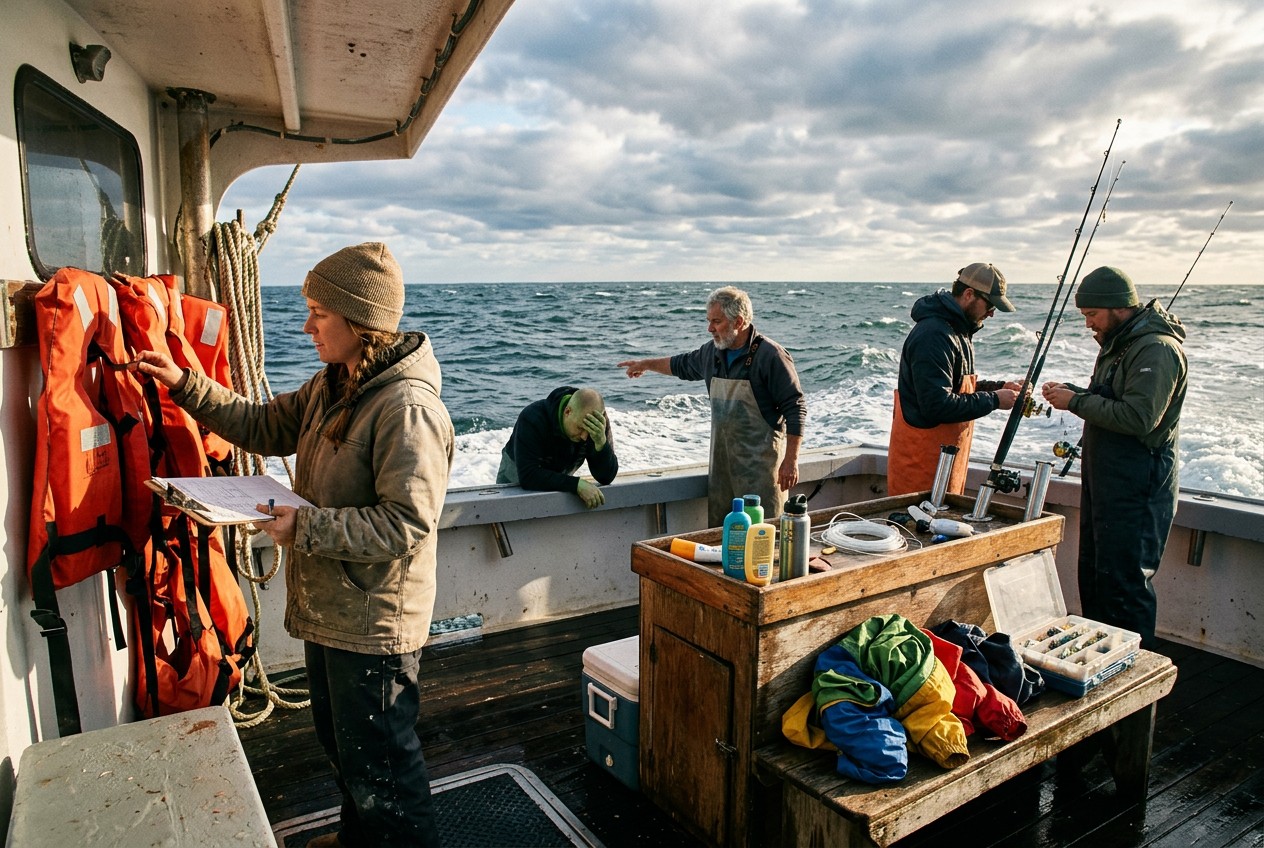
Essential offshore communication and safety equipment
A VHF marine radio connects the boat with other vessels, marinas, and emergency services when phones have no signal. The GPS chartplotter helps the captain navigate, monitor position, and return safely. An EPIRB can transmit a distress alert and location during a serious emergency.
Personal flotation devices must fit each passenger correctly, including children. Ask the captain where they are stored, when they must be worn, and what to do during a fire, collision, medical emergency, or person-overboard situation.
How to prepare for seasickness and sun exposure
Get a full night’s sleep and eat a light meal before departure. Avoid excessive alcohol and greasy food. Sip water regularly instead of waiting until you feel thirsty.
If you are considering seasickness medication, discuss timing, side effects, and possible interactions with a pharmacist or healthcare professional. Some products can cause drowsiness.
Use broad-spectrum SPF 30 or higher sunscreen according to its label. Add a brimmed hat, polarized sunglasses, and a lightweight long-sleeve shirt. Bring a rain layer even when the morning forecast looks clear.
Practical offshore fishing packing checklist
Bring yourself:
- Weather-appropriate layers and a waterproof jacket
- Non-marking shoes with good grip
- Sunscreen, hat, sunglasses, and lip protection
- Water, snacks, and any operator-approved food
- Approved personal medication in a waterproof container
- Small dry bag for keys, wallet, and phone
Commonly supplied by the charter:
- Rods, reels, tackle, bait, and ice
- Personal flotation devices and required safety equipment
- Fish storage and basic handling tools
Confirm every item with the operator before departure. Use this fishing charter packing guide for a more detailed checklist.
Licenses, harvest rules and responsible fish handling
Fishing rules change by species, date, port, and water. State and federal waters may have different fishing seasons, bag limits, size limits, protected species rules, and required release equipment. Verify current requirements with the operator and relevant official state wildlife agency before departure.
Do charter guests need a fishing license?
A charter’s license may cover paying passengers, but coverage differs by jurisdiction, vessel permit, and trip type. It might not cover fishing from shore before departure, trips on private boats, or certain species.
Ask the operator, “Am I covered for this specific trip, and do I need an additional permit?” Bring identification and purchase any required license before boarding. See do you need a fishing license on a charter? for more context.
Responsible release and deep-water fish
Keep fish in the water when practical, wet your hands before touching them, support their bodies, and avoid contact with the gills. Prepare dehooking tools and cameras before lifting a fish.
Deep-water fish may suffer barotrauma, an injury caused by rapid pressure change. Follow the captain’s instructions and check current local requirements for descending devices, venting tools, protected species, and release procedures.
Offshore fishing FAQ
Trip labels and charter policies vary by port, so confirm the planned range, boat, gear rules, and target species with the operator.
Is offshore fishing the same as deep sea fishing?
The terms often overlap, but they are not exact nationwide definitions. Deep sea usually suggests deeper offshore water, while offshore can include open water closer to shore. See inshore versus offshore fishing and what inshore fishing means for comparison.
How long is an offshore trip, and what boat is required?
Most charters run 6-12 hours. The right boat depends on distance, forecast conditions, passenger capacity, fuel range, seating, and required safety equipment - not length alone.
Can you bring personal gear, and are catches guaranteed?
Ask before bringing rods or tackle because storage and rigging policies vary. No catch is guaranteed. Weather, water conditions, fish movement, and natural feeding behavior all affect results.
Offshore fishing involves risks including rough seas, falls, hooks, sharp tools, sun exposure, and delayed emergency assistance. Follow the captain and crew at all times, wear a properly fitted life jacket whenever directed or required, and do not handle gaffs, knives, hooks, or release tools unless instructed.
Fishing regulations can change by date, species, location, and jurisdiction. Verify current state and federal licenses, seasons, size and bag limits, protected-species rules, and required release equipment with the applicable official agencies before departure.
Tell the operator in advance about serious medical conditions, mobility limitations, or severe allergies. Bring all prescribed and emergency medication in an accessible waterproof container, and consult a healthcare professional if you are unsure whether an offshore trip is suitable for you.