What is inshore fishing?
A practical definition without a fixed boundary
Inshore fishing is saltwater fishing in coastal water that anglers can usually reach with a short boat run, a kayak, or from shore. Most anglers mean bays, estuaries, marsh systems, and other waters partly sheltered from the open ocean, but the term has no universal boundary.
A captain may call water 3 to 20 feet deep several miles inside a bay “inshore,” while another may use the same label for fishing along an exposed beach or inlet. Distance from shore, water depth, wave exposure, boat size, and local custom all shape the meaning.
Treat “inshore” as a practical trip description, not a legal classification. Charter listings and regulations may use different zones or boundaries. Confirm the fishing area with the operator, and check the relevant state wildlife agency for current license requirements and official definitions.
Common inshore waters and habitats
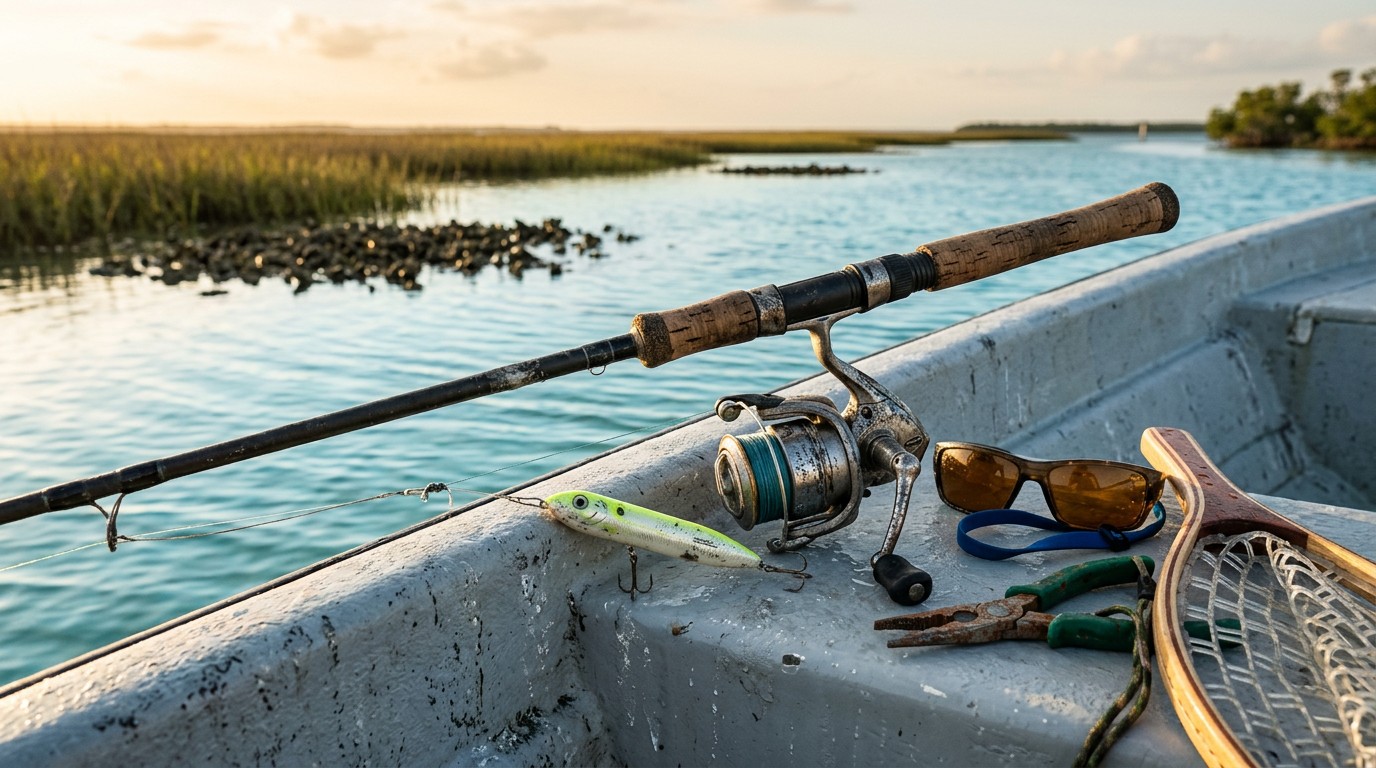
Typical inshore waters include bays and estuaries, where fresh and salt water mix; tidal creeks; salt marshes; mangrove shorelines; and grass flats. Channels, oyster bars, docks, jetties, and bridge pilings also create current breaks and feeding edges.
Habitat depends heavily on region. Mangroves are associated with warm southern coasts, while salt marshes and broad estuaries are common along much of the Atlantic and Gulf coasts. Pacific bays and tidal lagoons have their own bottom types, vegetation, and fish species.
Inshore vs nearshore vs offshore fishing
How the three fishing zones differ
These labels describe fishing environments, not universal mileage or depth lines. Local geography, weather, charter practices, and regional terminology all affect where one category ends and another begins.
| Zone | Typical water | Travel time | Common boat and tackle | Usual conditions |
|---|---|---|---|---|
| Inshore | Bays, estuaries, flats, marshes, and tidal creeks | Often 5-30 minutes | Skiff or bay boat with light spinning tackle | More sheltered, but still affected by wind and current |
| Nearshore | Inlets, beaches, reefs, wrecks, and coastal ocean | Often 15-60 minutes | Bay boat or center console with light to medium tackle | More wave exposure and ocean swell |
| Offshore | Open ocean, deep reefs, ledges, and pelagic water | Often 30 minutes to several hours | Larger center console or sportfishing boat with medium to heavy tackle | Greater exposure, longer runs, and potentially rougher seas |
A reef called nearshore in one port might be marketed as offshore somewhere else. Ask where the trip fishes, how long the run usually takes, and what sea conditions are expected. See this fuller inshore vs offshore fishing comparison for additional planning details.
Boats, tackle and ride conditions
A shallow-draft skiff can cross skinny flats and enter narrow creeks where deeper boats cannot operate safely. Bay boats offer more deck space and handle moderately open water, while center consoles are commonly chosen for exposed nearshore or offshore runs.
Inshore anglers often use light tackle because it casts smaller lures accurately and makes common coastal species enjoyable to fight. Heavier line, stronger leaders, and more powerful rods may still be needed around jetties, bridge pilings, oysters, or large fish.
Do not assume an inshore label guarantees flat water. Wind direction, tide, boat traffic, and exposed crossings can change the ride quickly. Confirm the boat type, seating, expected run, and weather policy with the operator before booking.
Ways to access inshore fishing water
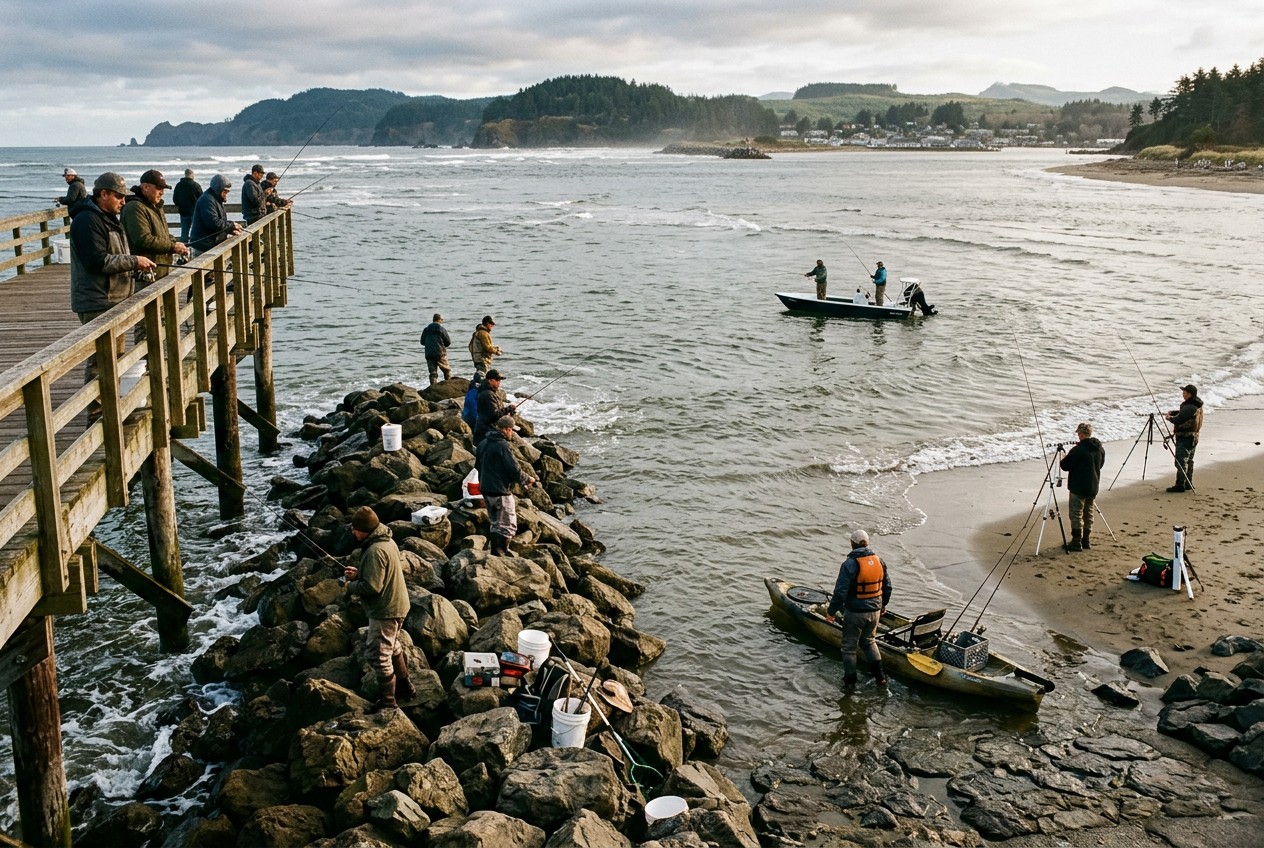
Inshore fishing does not require owning a boat. Public beaches, piers, jetties, marsh banks, kayak launches, and guided trips can all provide access, but each option trades range for cost, comfort, or required experience.
| Access | Reach and cost | Main limitations |
|---|---|---|
| Shore, surf, or pier | Lowest equipment and travel cost | Limited casting range, crowds, parking, and closures |
| Wade fishing | Reaches flats and creek edges quietly | Soft bottom, current, drop-offs, and changing tides |
| Kayak | Covers more water with low operating cost | Weather exposure, storage, and physical effort |
| Private boat | Broad range and flexible schedule | Launch access, navigation, fuel, maintenance, and safety |
| Charter | Boat, local knowledge, and often tackle provided | Higher cost and a fixed departure schedule |
Shore, surf, pier, jetty and wade fishing
Piers often provide railings, lighting, cleaning stations, or restrooms, although facilities vary. They work well for anglers who want stable footing, but stairs, long walks, high rails, and crowded casting lanes can create mobility problems.
Surf fishing covers open beaches, while jetties place anglers beside deeper water and stronger current. Wear footwear with dependable traction around wet rocks. For wade fishing, use a wading belt, shuffle your feet where stingrays may occur, and watch for channels, soft mud, boat traffic, and a rising tide.
Kayaks and private boats
A fishing kayak can reach grass edges, back creeks, and shallow flats beyond casting distance. Carry a properly fitted personal flotation device, whistle, phone or radio in waterproof storage, drinking water, and a basic paddle backup plan.
Private boats offer more range and tackle storage, but shallow water demands careful navigation. Confirm ramp hours, parking, launch fees, tide depth, and trailer access before leaving. Wind can make a comfortable morning return difficult, even inside a bay.
Access through an inshore fishing charter
A charter is practical for visitors, anglers without equipment, and anyone wanting help reading tides or locating safe routes. Ask what tackle, bait, safety gear, seating, and license coverage are included. Confirm the departure point, current price, cancellation terms, and accessibility directly with the operator.
Guided access improves logistics, not certainty. Fish movement, weather, and water conditions still affect every trip. Check current fishing and access rules with the relevant state wildlife agency and site manager.
Inshore species, tides and fish-holding structure
Popular species vary by region
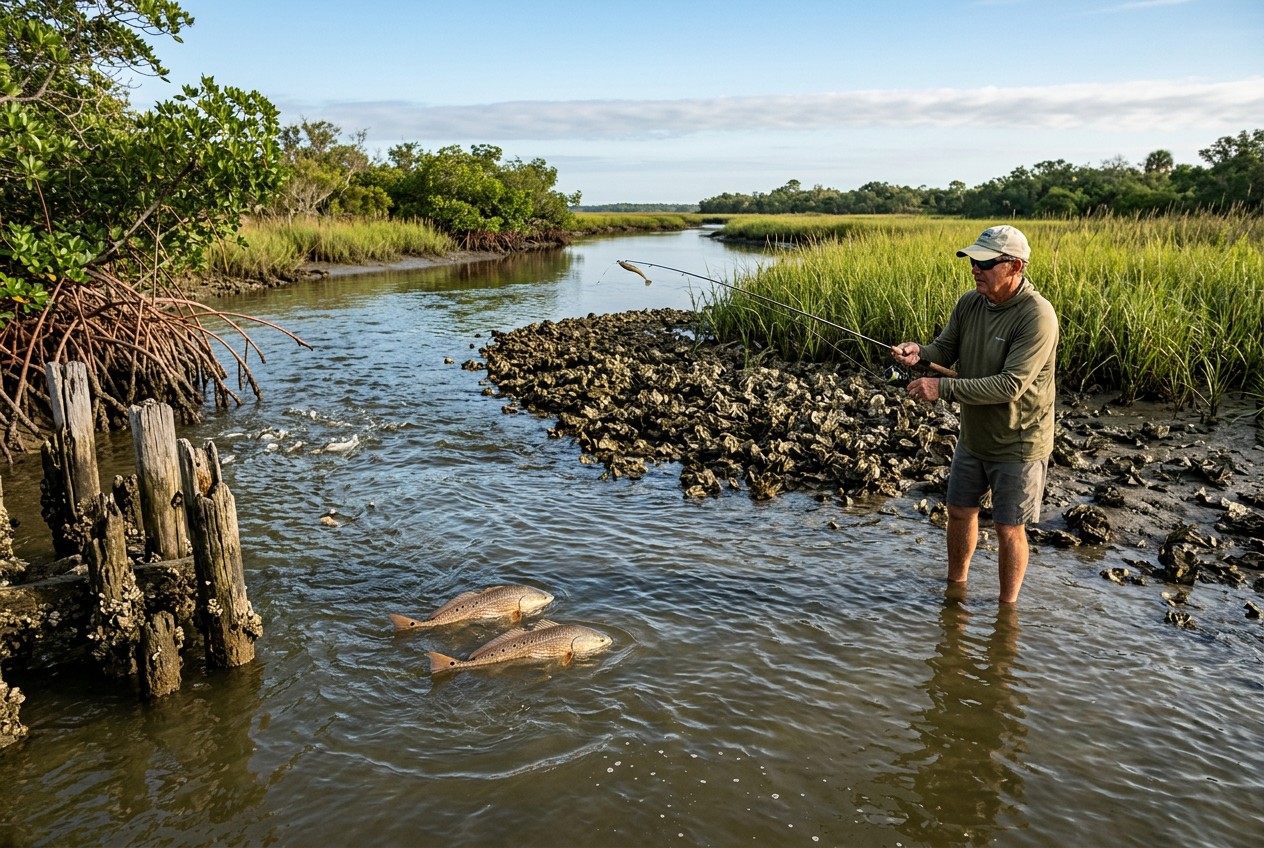
Target species depend on coastline, habitat, water temperature, and time of year. Redfish and speckled trout are common inshore targets across many Gulf Coast and Southeast waters. Snook are associated with warmer southern areas, particularly South Florida and parts of the Gulf Coast.
Flounder occur in numerous Atlantic and Gulf systems, while striped bass are major estuary and bay targets from the Mid-Atlantic through the Northeast. Pacific Coast fishing has a different mix that may include California halibut, surfperch, or spotted bay bass, depending on location.
These are broad regional patterns, not guarantees. Ask a local tackle shop what has been active, and check the relevant state wildlife agency for current seasons, size rules, and bag limits.
How tides and current move fish
An incoming tide brings ocean water into bays, marshes, and tidal creeks. Rising water can let baitfish and predators spread across grass flats, oyster areas, and flooded shoreline cover. A falling tide drains those areas, often pulling bait toward creek mouths, deeper channels, and cuts.
Moving water creates feeding opportunities. Look for points, bridge pilings, jetty rocks, channel edges, and current seams, which are visible boundaries between faster and slower water. Predators commonly hold in the slower water and face into the flow, waiting for shrimp or baitfish to pass.
Near high or low tide, current may weaken briefly. During this slack period, fish can scatter or respond better to slower presentations. Tide timing and strength vary by location, so use an official local tide source rather than assuming one timetable applies throughout a bay.
Wind, water clarity and structure
Wind can push bait and warmer surface water toward one shoreline, but strong wind may also muddy a shallow flat or make boat positioning difficult. In clear water, longer leader material and natural-looking lures can help. In stained water, try a lure with vibration, contrast, or added scent.
Match the presentation to the structure:
- Swim a weedless soft plastic above grass flats.
- Work a jig near channel drops and creek mouths.
- Cast live bait or suspending lures along mangrove edges and docks.
- Use stronger leader around oyster shells, rocks, pilings, and jetties.
Water temperature also matters. Fish may move onto sun-warmed shallows during cool conditions, then seek deeper channels, shade, or stronger current as the water heats up.
A practical inshore fishing tackle checklist
Rod, reel and braided fishing line
A versatile starting setup is a 7-foot, medium-power spinning rod with a fast-action tip and a 2500-3000 size reel. Spool it with 10-15 lb braided fishing line for long casts, good sensitivity, and enough strength for many flats, bay, and marsh situations.
Use 8-10 lb braid in open, clear water when smaller lures and distance matter. Move to 20-30 lb braid around docks, oyster bars, mangroves, rocks, or larger fish. Rod power and line strength should match the target species and cover, not simply the size of the water.
Leader material and terminal tackle
Attach 18-30 inches of monofilament or fluorocarbon leader with a line-to-line knot or small swivel. A 15-20 lb leader covers many general situations. Lighter leader may get more bites in clear water, while heavier material resists abrasion around shells, pilings, and jetties. Some toothy species require specialized bite protection.
Pack a small waterproof tray with:
- Circle hooks and J-hooks in locally useful sizes
- Jig heads from about 1/8 to 1/2 oz
- Split shot, sliding sinkers, swivels, and a few snaps
- Long-nose pliers, line cutters, and a hook remover
- Spare leader, replacement hooks, and a compact measuring tool
Choose hook style and size for the bait, fish, and current regulations.
Live bait and artificial lures
Live shrimp, minnows, or small baitfish can be effective, but they require an aerated bucket or livewell and careful handling. Check official state wildlife agency rules covering legal bait species, collection methods, and transport.
Artificial lures are easier to store and let you cover water quickly. Useful categories include paddle-tail soft plastics, shrimp imitations, spoons, topwater plugs, and suspending plugs. Use lighter jig heads over shallow grass and heavier ones in deeper water or stronger current.
Before buying a full tackle box, ask a local tackle shop what fish are active, what the water clarity looks like, and which lure weights are reaching the productive depth.
How to plan a safe inshore trip or charter
Families, children, motion sickness and mobility
A shorter trip can be a sensible choice for families, young children, first-time charter guests, and anyone unsure about spending a full day on the water. Compare the practical tradeoffs in this guide to half-day vs full-day fishing charters.
Sheltered bays and shorter runs may reduce motion, but an inshore trip is not automatically calm. Wind, wakes, exposed crossings, and strong current can produce an uncomfortable ride. Ask about expected conditions, shaded seating, restroom availability, boarding steps, and walking distance from parking to the boat.
Tell the captain about mobility limitations before booking. Confirm whether guests must step down into the boat, stand while fishing, or balance on an open casting deck. For children, ask about properly sized personal flotation devices and minimum age policies.
Set realistic fishing expectations too. Travel time, target species, fish size, and catch rates change with weather, tides, and seasonal movement. A guide can improve access and decision-making, but cannot guarantee bites.
What to ask an inshore charter before booking
Use this checklist when choosing a fishing charter:
- What is included? Confirm rods, reels, tackle, live bait, ice, water, and safety equipment.
- How long is the trip? Ask whether the stated duration is dock-to-dock and how much running time is expected.
- Are fishing licenses covered? Requirements vary by state and trip type. Verify coverage with the operator and the relevant state wildlife agency.
- Where do we meet? Confirm parking, marina or ramp access, boarding conditions, and arrival time.
- What happens to legal fish? Ask whether fish cleaning and packaging are available.
- What are the weather and cancellation terms? Get the operator’s current quoted price, deposit policy, rescheduling rules, and method for making weather decisions.
New charter guests can review this beginner’s charter guide and packing advice on what to bring on a fishing charter.
Essential safety checks
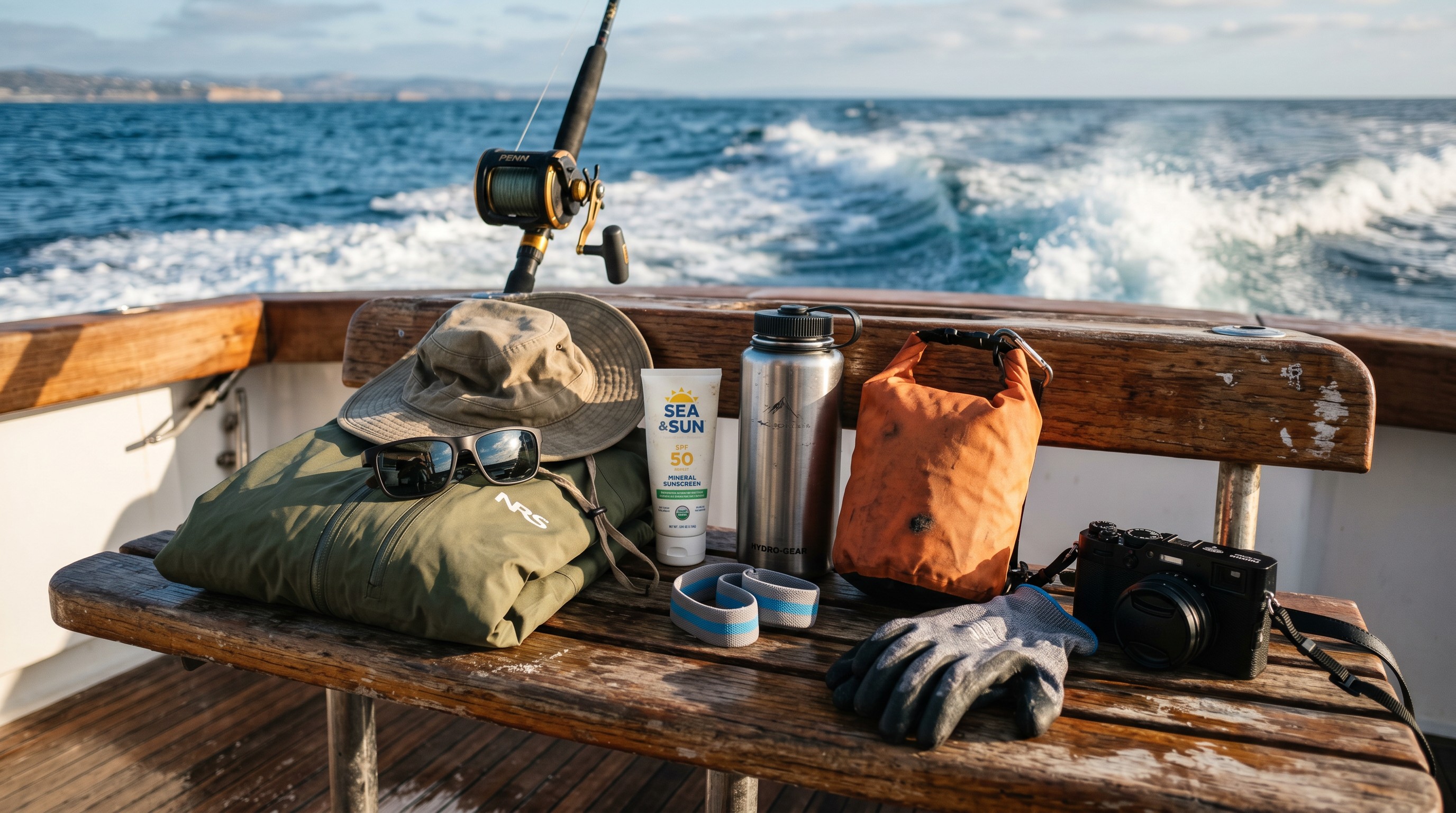
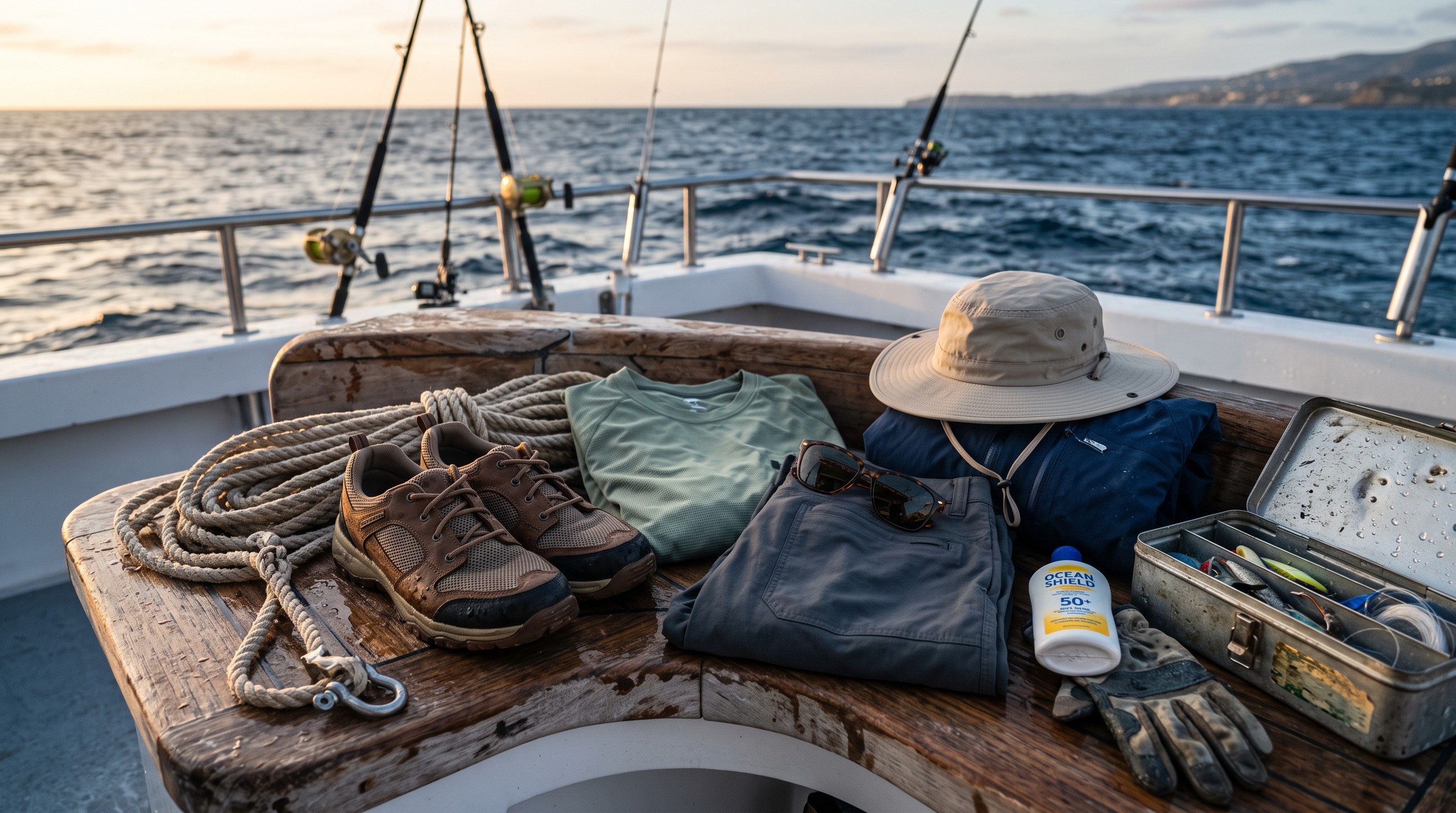
Check the marine forecast immediately before leaving, not only the night before. Carry drinking water, sunscreen, polarized sunglasses, a hat, and rain protection. Wear a properly fitted personal flotation device when required and whenever conditions or experience call for one.
Control hooks during casting and use pliers for removal. Boaters should watch for oyster bars, sandbars, marked channels, swimmers, paddlers, and other traffic.
When wading, test each step for soft bottom and sudden drop-offs. Track current strength and the rising tide so your return route does not become deeper, faster, or cut off.
Inshore fishing FAQ
Do you need a fishing license for inshore fishing?
Often, yes, but requirements depend on the state, water, age, residency, fishing method, and target species. Some public piers or charter boats may operate under licenses that cover customers, while others require each angler to carry an individual license.
Confirm coverage directly with the captain before your trip. This guide explains when you may need a fishing license on a charter, but the relevant state wildlife agency is the final source for current requirements. Keep any required license available on your phone or in printed form.
Can you keep the fish you catch?
You may keep a fish only when current regulations allow it. Seasons, minimum or maximum sizes, daily bag limits, possession limits, gear restrictions, and protected-species rules can differ by state, water, and even management zone.
Check the official regulations before fishing, then carry an accurate measuring tool. If you cannot identify a fish confidently or verify that it is legal, release it.
For catch and release:
- Wet your hands before touching the fish.
- Keep it in the water when practical.
- Use pliers to remove hooks quickly.
- Cut the leader if removing a deep hook would cause more damage.
- Support the body horizontally and avoid squeezing the gills.
- Revive the fish facing into the current before release.
What access rules should you check before leaving?
Verify pier, beach, ramp, and parking hours with the responsible land manager or local government. Check for entry or launch fees, parking permits, seasonal closures, construction, gate times, overnight restrictions, and rules covering carts, bait, coolers, or fish cleaning.
Review property boundaries carefully because an open shoreline does not automatically mean public access. Protected areas may restrict fishing, anchoring, wading, bait collection, or vessel use. Use official agency and site-management sources, then contact the location directly if any rule remains unclear.
Water safety: Wear a properly fitted, approved personal flotation device on kayaks and small boats, follow all applicable boating laws, and never rely on calm or shallow water as protection from drowning.
Weather safety: Marine conditions can change rapidly. Monitor official forecasts and current conditions, and leave the water immediately when thunder, lightning, dangerous wind, or other severe weather threatens.
Food safety: Place retained fish on ice promptly, keep the catch protected from contamination, and check official local seafood consumption advisories before eating it.
Wildlife safety: Do not handle an unfamiliar fish until it has been identified. Some coastal species have sharp teeth, gill plates, or venomous spines that can cause serious injury.