What to Bring on a Fishing Charter: The Essential Checklist
Pack light, but cover the essentials first. Boat storage is usually limited, and a compact bag is easier to secure when the deck gets busy.
Must-bring items
- Photo ID and booking confirmation
- Fishing license, if required. Ask the operator whether it is included, then verify current requirements with the official state wildlife agency.
- Non-slip, non-marking shoes with closed toes or secure straps
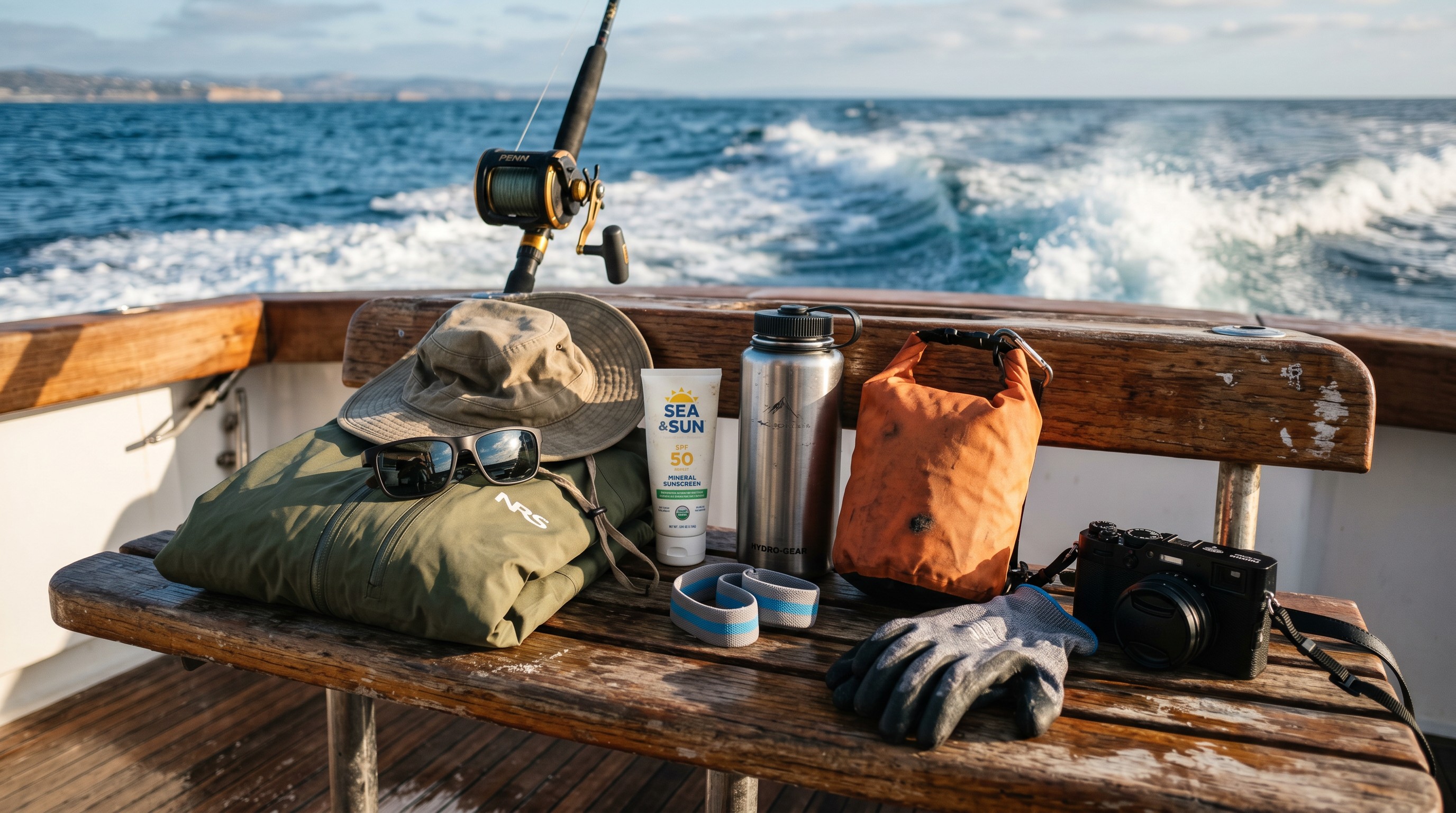
- Broad-spectrum sunscreen and polarized sunglasses with a retainer
- Clothing layers, including a light waterproof jacket for wind and spray
- Drinking water, unless the captain confirms it is supplied
- Prescription medication in its labeled container
- Motion sickness medication, if needed, taken according to the product label
- Compact dry bag for your phone, wallet, ID and license
For a typical 4-hour trip, one small daypack or 5-10 liter dry bag is often enough. Full-day and offshore trips may require more water, food and clothing, but confirm available storage before bringing a larger bag.
Optional comfort items
Add only what fits comfortably in a small bag:
- Secure hat or visor
- UPF neck gaiter
- Boat-friendly snacks such as granola bars, sandwiches or fruit
- Camera with a wrist strap
- Spare shirt and socks sealed in a plastic bag
- Small hand towel
- Lip balm with SPF
Leave bulky tackle boxes and hard-sided coolers at home unless the charter captain approves them. Also ask about glass containers, alcohol, personal rods and cooler policies before departure, since boat rules and storage space vary by vessel.
What the Fishing Charter Provides and What You Should Confirm
Fishing gear, bait and safety equipment
Many charters supply matched rods and reels, terminal tackle, bait and required personal flotation devices. Still, packages vary by boat and target species. Ask before bringing personal rods or tackle boxes. The captain may limit outside gear because of deck space, line compatibility or local bait rules.
| Item | Guest commonly brings | Operator commonly provides |
|---|---|---|
| Rods and reels | Only with approval | Species-appropriate setups |
| Bait and tackle | Specialty lures if approved | Basic bait, hooks, leaders and weights |
| Personal flotation device | Personal model if approved | Required safety equipment |
| Food and drinking water | Often, unless confirmed otherwise | Varies by charter |
| Cooler | Small soft-sided cooler if allowed | Storage space varies |
| Fish cleaning | Transport supplies after the trip | May be included or available separately |
| Catch storage | Cooler and ice for the drive home | Onboard ice or fish box may be available |
Licenses, regulations and boat rules
Never assume a license is included. Requirements can differ between saltwater, freshwater, private charters and specific waters.
Boat policies also vary. Ask about alcohol, glass containers, tobacco, coolers, children, pets and personal tackle before packing.
Questions to ask the charter captain before departure
- What time should we arrive, and where is the exact meeting point?
- Are rods, reels, bait and tackle included?
- Do guests need individual fishing licenses?
- Are food and drinking water provided?
- What size and type of cooler is permitted?
- Is fish cleaning included, and how is the catch stored onboard?
- Which payment methods are accepted for the balance and crew tip?
- What is the weather or cancellation procedure?
- Are there boat-specific rules or storage limits?
- What should remain in the vehicle until the boat returns?
What to Wear on a Fishing Charter
Sun protection and footwear
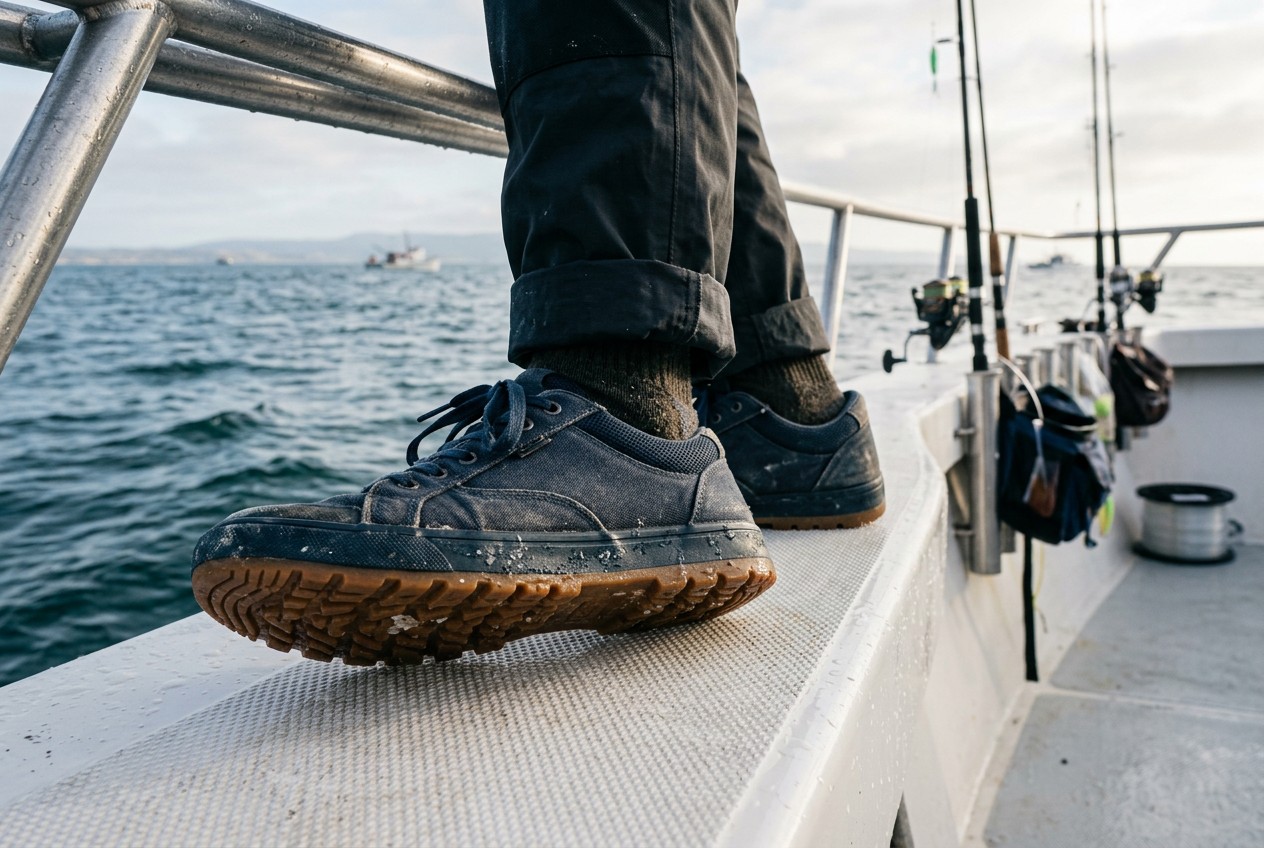
Start with shoes that grip a wet deck. Choose closed-toe, non-marking shoes with non-slip rubber soles, such as boat shoes, lightweight deck sneakers or secure fishing sandals if the operator permits them. Avoid flip-flops, smooth-soled running shoes and heavy work boots. They can slip, catch on deck hardware or leave marks.
For exposed skin, apply broad-spectrum SPF 30 or higher sunscreen before boarding. Reapply according to the product label, especially after sweating or getting sprayed. A secure brimmed hat, polarized sunglasses with a retainer and lightweight UPF 30-50 fishing clothing provide additional protection. Polarized lenses also reduce surface glare, making it easier to spot fish, floating debris and changes in water color.
Long sleeves often feel cooler than bare skin during a sunny 6-8 hour trip, particularly when the shirt is breathable and quick-drying. Avoid cotton jeans and thick sweatshirts in warm conditions because they hold water and dry slowly.
Layers for wind, rain and cold conditions
Air temperature at the dock does not tell the whole story. A boat moving at 20-30 mph creates wind chill, and spray can cool you quickly even on a mild morning.
Use a simple three-layer system:
- Wear a moisture-wicking synthetic or merino base layer.
- Add a light fleece or insulated layer when cold weather is expected.
- Finish with packable rain gear or a waterproof jacket that blocks wind and spray.
Choose clothing layers you can remove without changing in a cramped cabin. Pack one dry shirt and pair of socks in a sealed bag, especially for offshore or full-day trips. Check the weather forecast the night before, then follow the captain’s guidance because conditions offshore may differ sharply from those at the marina.
Food, Water, Medication and Personal Needs
Drinking water and boat-friendly snacks
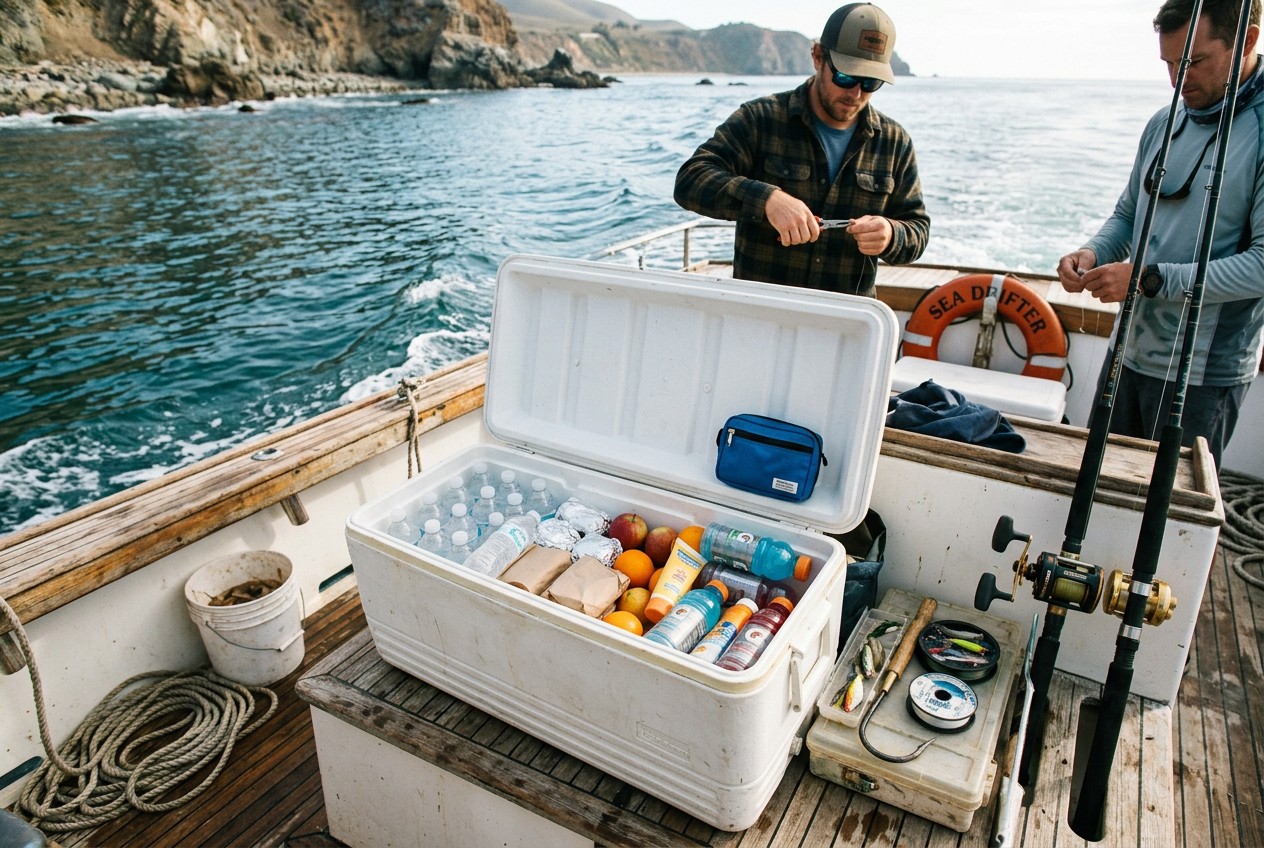
Do not assume the boat supplies food or drinking water. Confirm with the operator, then pack enough for the trip length, heat and expected activity. For a 4-hour charter, many adults carry about 32-64 oz of water. A full-day trip may require 64-96 oz or more in hot conditions, subject to the captain’s storage guidance and your personal needs.
Choose compact foods that can be eaten with one hand:
- Sandwiches or wraps in sealed bags
- Granola or protein bars
- Trail mix without melt-prone chocolate
- Apples, grapes or orange slices
- Crackers, pretzels or jerky
Avoid glass containers, messy sauces and oversized hard-sided coolers. Use reusable bottles or tightly sealed cans, and ask whether a small soft-sided cooler is allowed. Pack extra water and familiar snacks for children.
Seasickness and prescription medication
If you are prone to motion sickness, plan before reaching the dock. Some products must be taken before departure, so read and follow the label rather than waiting until the boat is underway. Ask a doctor or pharmacist about possible interactions, side effects or suitability for children, pregnancy or existing medical conditions.
Keep prescription medication in its original labeled container. Carry essential doses in your compact dry bag, where they remain accessible and protected from spray. Do not leave heat-sensitive medication in a hot vehicle. Ask the operator privately about protected storage if refrigeration or temperature control is required.
Children, allergies and accessibility accommodations
Tell the operator each child’s age and approximate weight so properly sized personal flotation devices can be confirmed. Bring child-safe sun protection, a secure hat, familiar snacks, water and spare clothing. An adult should remain responsible for supervision even when the captain and deckhand are assisting with fishing.
Discuss serious food, insect or medication allergies before booking, including emergency medication and response instructions. Guests with limited mobility, balance concerns or other accessibility needs should ask about boarding steps, dock distance, rail height, restroom access, seating and cabin space. Boat layouts differ considerably, and advance notice gives the operator time to explain realistic options and safe accommodations.
How the Packing List Changes by Trip Type and Length
Half-day, full-day and overnight fishing trips
Match your load to the hours onboard and the boat’s storage limits.
| Trip length | Pack beyond the essentials |
|---|---|
| 4-hour half-day | 32-64 oz of water, one snack, light rain shell and necessary medication |
| Full-day | 64-96 oz of water, a meal, extra snacks, spare shirt and socks, additional sunscreen and medication doses |
| Overnight | Operator-approved meals, toiletries, headlamp, warm layers, extra dry clothing and required sleeping gear |
Ask what the boat supplies before packing an overnight trip. Some vessels provide bunks, bedding, meals or cabin lighting, while others expect guests to bring specific items. Keep medication accessible, not buried inside a larger bag.
Inshore, offshore and freshwater charters
Many inshore and freshwater trips stay closer to shelter and involve shorter runs, so a small dry bag, sun protection and one adaptable layer may cover the basics. Freshwater conditions still vary widely. A calm summer lake and a fast, cold river require different clothing and footwear.
Offshore fishing charters usually mean longer travel, stronger sun exposure, more wind and regular spray. Add a waterproof jacket, sunglasses retainer, spare dry clothes and more deliberate seasickness preparation. Follow medication labels and consult a doctor or pharmacist when appropriate.
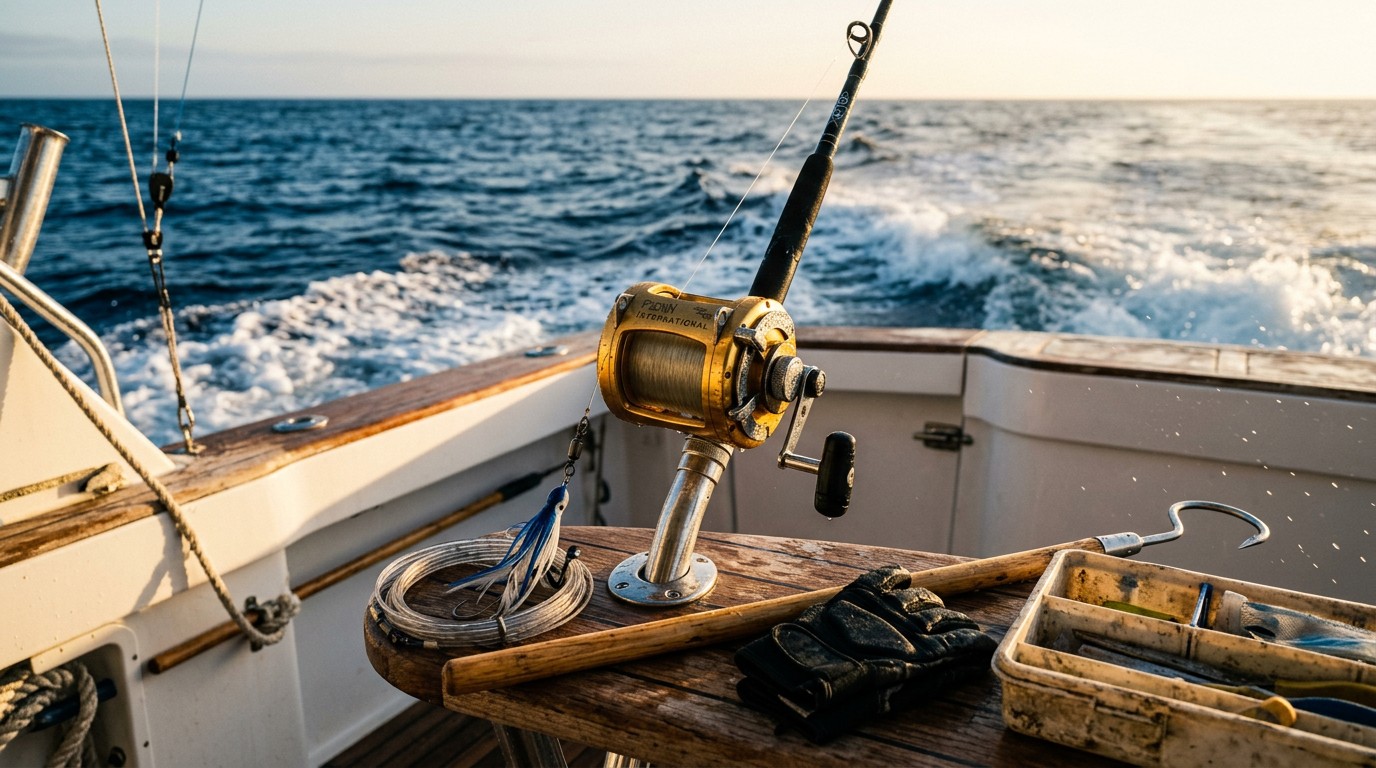
Do not bring personal tackle simply because the trip targets larger fish. Offshore rods, leaders and reels are often matched to the species and fighting conditions, so get the captain’s approval first.
Cold-weather and changing-weather trips
Check the forecast for the dock and fishing area, then ask the operator about expected conditions offshore or upriver. Pack a moisture-wicking base layer, compact insulating layer and waterproof outer shell. Thin gloves, a warm hat and dry socks add little bulk but make a major difference.
Avoid filling a large duffel with duplicate clothing. One complete dry change sealed in a compact bag is usually more useful. For any trip, confirm current license requirements, seasons, bag limits and access rules with the operator and the relevant official state wildlife agency.
Coolers, Valuables, Tips and Items to Leave at Home
Protecting valuables and transporting cleaned fish
Keep your phone, wallet, photo ID, fishing license and camera in a compact 5-10 liter dry bag. Use waterproof cases or sealed pouches inside it for extra protection from spray. Clip or stow the bag where it cannot slide across the deck.
Before departure, confirm whether fish cleaning is included, who supplies ice and how the catch is stored onboard. Ask if you should leave an approved soft-sided cooler in your vehicle for the trip home. A cooler with fresh ice or frozen gel packs helps keep cleaned fish cold, but the operator may have specific size or dock rules.
Payment and gratuity etiquette
Confirm how the remaining charter balance can be paid. Some operators accept cards or electronic payments, while others may request cash.
Ask about local tipping customs before the trip. Depending on the operation, a cash tip may go to the deckhand, captain or entire crew. Find out who receives it, how it is distributed and which payment methods are accepted. Service levels and local norms vary, so avoid assuming a fixed percentage.
What not to bring and the final dockside check
Leave these items at home unless the captain specifically approves them:
- Bulky hard-sided coolers and oversized bags
- Glass bottles or food containers
- Prohibited substances
- Unapproved rods, reels, bait or tackle boxes
- Loose valuables and unnecessary electronics
- Heavy boots or smooth-soled shoes
Complete this check the night before:
- Save the exact meeting point, arrival time and captain’s phone number.
- Pack photo ID, required license, payment and tip funds.
- Set out non-slip shoes, sun protection, layers and rain gear.
- Chill drinking water and pack compact food.
- Place medication in an accessible dry bag.
- Prepare the approved fish cooler and ice, if requested.
At the dock, verify the boat name and operator before unloading. Bring aboard only approved items, and leave the transport cooler in your vehicle if instructed.
Fishing Charter Packing FAQ
Do I need fishing gear, a license or a cooler?
Most charters provide rods, reels, bait and basic tackle, but confirm before bringing personal gear. Fishing license requirements vary by state, water and charter type. Ask the operator what is covered, then verify current rules with the official state wildlife agency.
Bring a small soft-sided cooler only if approved. It may hold food and drinks onboard or stay in your vehicle with ice for transporting cleaned fish home.
Can I bring alcohol, and what should I do about seasickness?
Alcohol policies depend on local law and boat rules. Ask about permitted containers, quantities and guest conduct. Glass is commonly restricted.
If you are prone to seasickness, read the medication label and take it at the recommended time. Consult a doctor or pharmacist about interactions, side effects or use by children or pregnant guests.
What should I wear and tip on a 4-hour fishing charter?
Wear non-slip shoes, quick-drying clothing, polarized sunglasses and a secure hat. Pack sunscreen, a light waterproof jacket and one warm layer.
Tipping customs vary by location and operation. Ask what is customary, who receives the tip and whether cash, card or electronic payment is accepted.
Always follow the captain’s safety briefing and wear a properly fitted, approved personal flotation device whenever required by law, directed by the crew or appropriate for the conditions. Children and non-swimmers may need to wear one throughout the trip.
Medication and alcohol: Motion-sickness medicines and other medications may cause drowsiness or interact with alcohol. Follow the label and ask a doctor or pharmacist if you have questions about interactions, pregnancy, children or existing medical conditions.
Food safety: Keep cleaned fish in a leak-proof cooler at 40°F/4°C or below with sufficient ice or frozen packs, and minimize the time it spends unrefrigerated.
Hydration needs vary with heat, exertion and individual health. The amounts listed are general planning estimates; follow medical advice if you have been instructed to restrict fluids.
Sources and verification
- USCG life-jacket guidance supports checking approved, properly fitted flotation devices.
- National Weather Service marine forecasts provides official coastal and offshore forecast links for trip planning.
- FDA seafood safety guidance supports safe selection, storage and handling of seafood.
These sources support the flotation, weather and seafood-handling context above. They do not validate an operator, vessel, packing requirement, trip inclusion, price, availability or fishing outcome; confirm operator-specific rules directly.