What Makes a Fishing Charter the Right Fit?
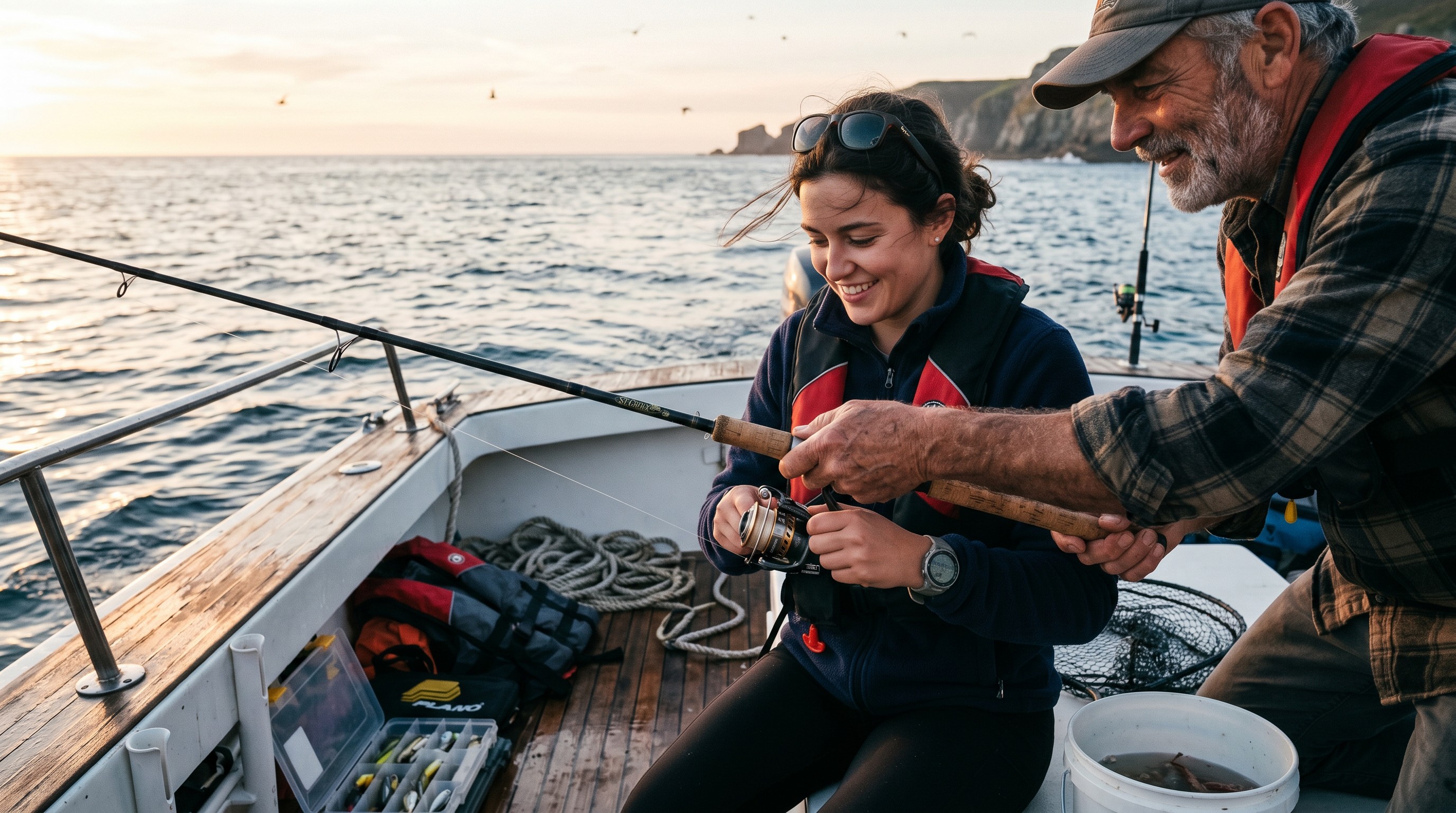
A fishing charter is a paid trip led by a captain or guide who provides the boat, local knowledge, and usually some combination of tackle, bait, and crew support. The right trip matches your target species, group size, experience, comfort needs, and available time.
Do not judge operators by the lowest advertised rate alone. A cheaper trip may exclude fuel, bait, fish cleaning, licenses, or parking. Safety standards, cancellation terms, boat condition, and actual fishing time also affect value.
How to Use the 12-Point Charter Scorecard
List each operator in a separate column and score every check from 0 to 2:
- 0 - Unclear, unsuitable, or a red flag
- 1 - Acceptable, but needs clarification
- 2 - Clear, suitable, and documented
Rate trip fit, captain experience, credentials, boat safety, reputation, total cost, cancellation policy, comfort, supplied equipment, catch handling, communication, and final logistics. Record where each answer came from - the operator’s website, a dated fishing report, recent customer reviews, a phone call, or an email.
Compare totals only after resolving missing details. Ask the captain to confirm important promises and policies in writing before paying a deposit. For current fishing licenses, seasons, and bag limits, check the relevant official state wildlife agency as well as the operator.
Checks 1-3: Match the Trip to Your Group and Fishing Goals
Check 1: Choose Private, Shared, or Party-Boat Fishing
Start with how much control and personal attention your group wants.
| Trip format | Best fit | Main tradeoff |
|---|---|---|
| Private charter | Families, serious anglers, mixed-skill groups, or guests needing flexibility | You pay for the boat, so the total cost can be higher |
| Shared charter | Solo travelers and pairs who want a smaller-boat experience at a per-person price | Departure plans and fishing goals must suit everyone aboard |
| Party boat | Larger groups and budget-conscious anglers comfortable fishing beside others | Less individual instruction, limited flexibility, and tighter fishing space |
Ask how many passengers will fish, not just how many the boat can legally carry. Six anglers casting may feel crowded even when six passengers are permitted. Families should also confirm whether the captain can adjust techniques, take breaks, or return early if a child gets tired.
Check 2: Match Inshore, Nearshore, or Offshore Fishing to Your Goals
These labels describe general fishing zones, but distances and local usage vary. Ask the operator exactly where the boat usually runs and how long travel takes.
| Trip type | Typical experience | Questions to ask |
|---|---|---|
| Inshore | Protected bays, rivers, flats, or close coastal water with shorter runs | Is the water usually calmer? Will we cast, drift, or use live bait? |
| Nearshore | Reefs, wrecks, jetties, and coastal structure beyond protected water | How rough can the ride become? What tackle and techniques are common? |
| Offshore | Longer runs into open water, often with heavier tackle or trolling | How many miles and hours are spent traveling? Is standing or fighting larger fish physically demanding? |
Choose a specialist captain when one species or technique is your priority. A generalist may be better for a family that values steady action and variety. In either case, ask: “If the target bite is slow, what is Plan B?” An experienced captain should discuss alternative areas, species, or methods without promising a catch.
Check 3: Compare Half-Day and Full-Day Charter Time
“Four hours” usually means dock-to-dock, not four hours with lines in the water. Boarding, the safety briefing, bait pickup, no-wake zones, and travel all use trip time.
Before booking, ask:
- What time do we leave and return?
- How long is the usual run each way?
- Is bait already aboard?
- When does active fishing normally begin?
- Can travel time change with weather or fish location?
A half-day charter often suits children, first-time guests, tight vacation schedules, and nearby inshore grounds. A full-day charter provides more flexibility to change locations, wait out a tide, or make a longer offshore run. For a species-specific trip, ask the captain whether the planned duration realistically covers travel and fishing time under normal local conditions.
Checks 4-5: Verify the Captain, Boat, and Safety Standards
Check 4: Confirm Credentials, Permits, and Insurance
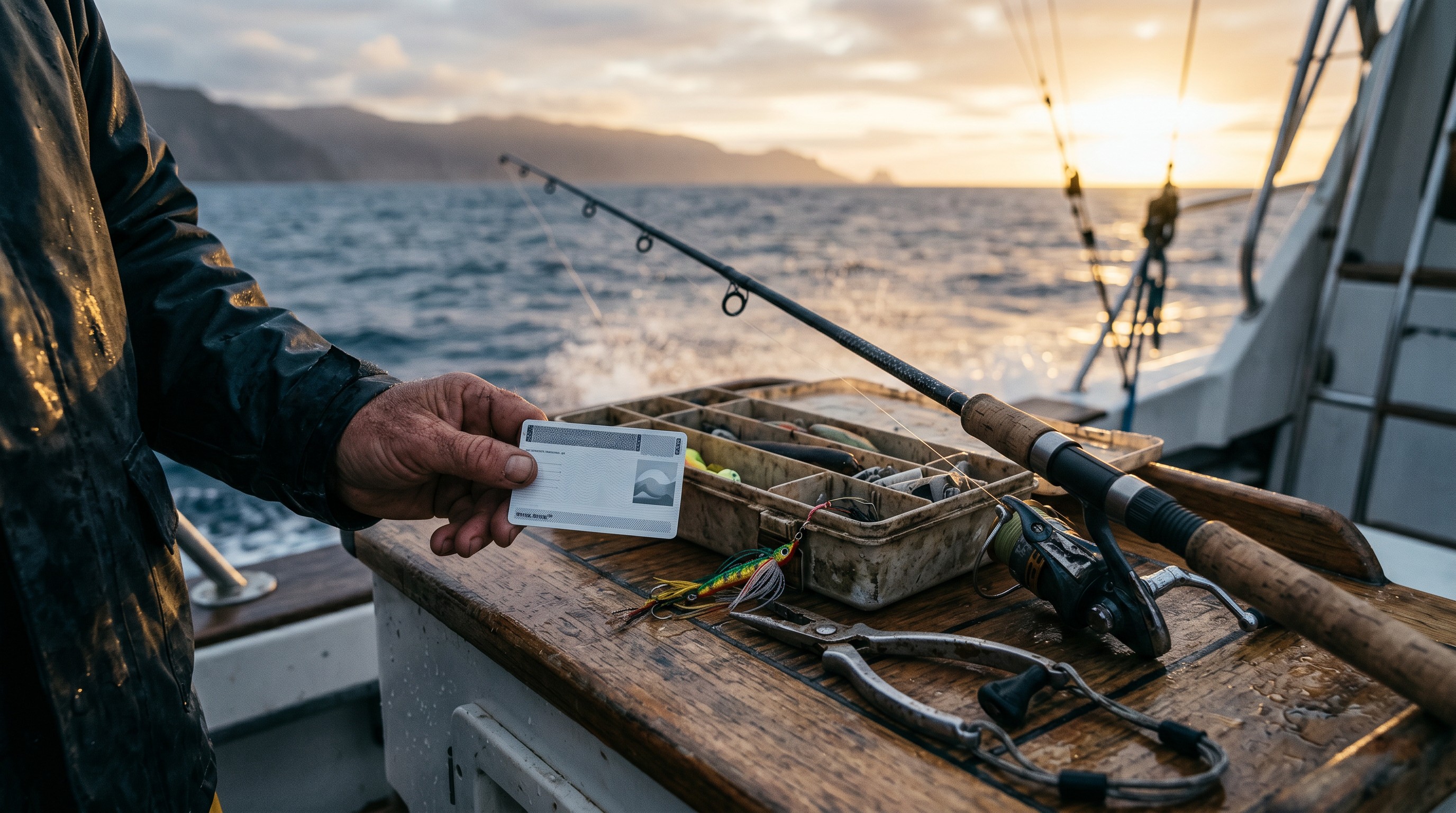
Ask the captain to identify the credentials and operator permits required for your specific trip. Requirements can change with the water, vessel, passenger count, target species, and whether the charter operates in state or federal waters.
Use these direct questions:
- What current captain credentials do you hold?
- Which charter permits apply to this trip?
- Does the boat carry current commercial liability insurance?
- Can you provide documentation or explain how I can verify it?
- Are there any fishing licenses or permits passengers must obtain separately?
Professional operators should answer clearly without becoming defensive. A credential alone does not prove that a captain is skilled, but current documentation shows that the business takes legal and operational responsibilities seriously.
Pause before paying a deposit if the operator gives vague answers, claims that permits are unnecessary without explaining why, or refuses reasonable verification. Confirm current licensing and fishing requirements with the appropriate authorities. For seasons, bag limits, and angler licenses, use the relevant official state wildlife agency. Federal waters or federally managed species may involve additional rules, so ask the operator which agency has jurisdiction.
Check 5: Inspect Passenger Limits and Boat Safety Equipment
Passenger capacity includes everyone aboard - anglers, children, non-fishing guests, captain, and crew - but how that limit is calculated depends on the vessel and operation. Ask for the legal passenger limit and the captain’s recommended number for comfortable fishing.
A boat that legally carries six guests may still feel crowded when several people are casting, moving around tackle, or fighting fish. Tell the captain your exact group size, including children, and describe any mobility concerns.
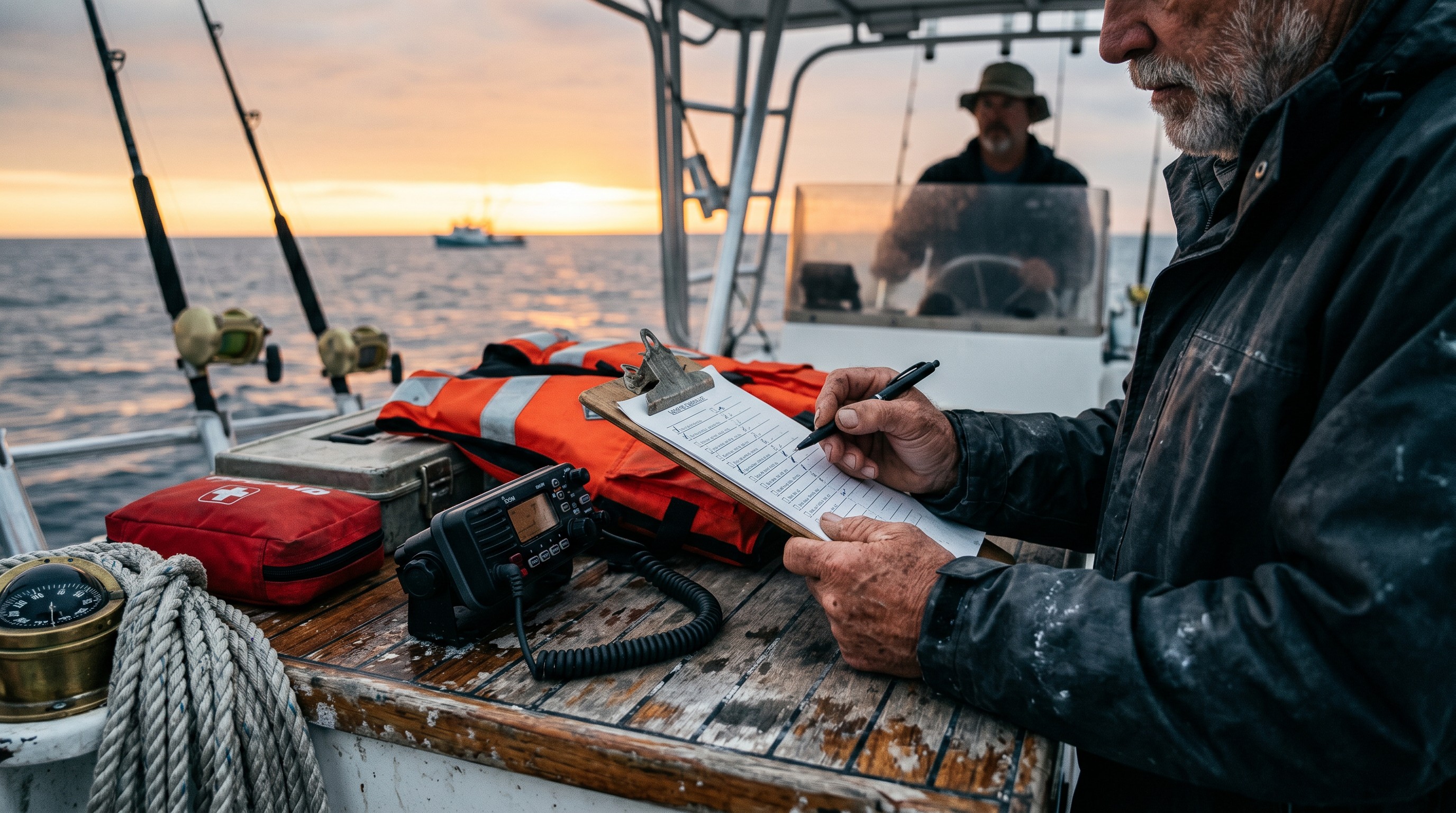
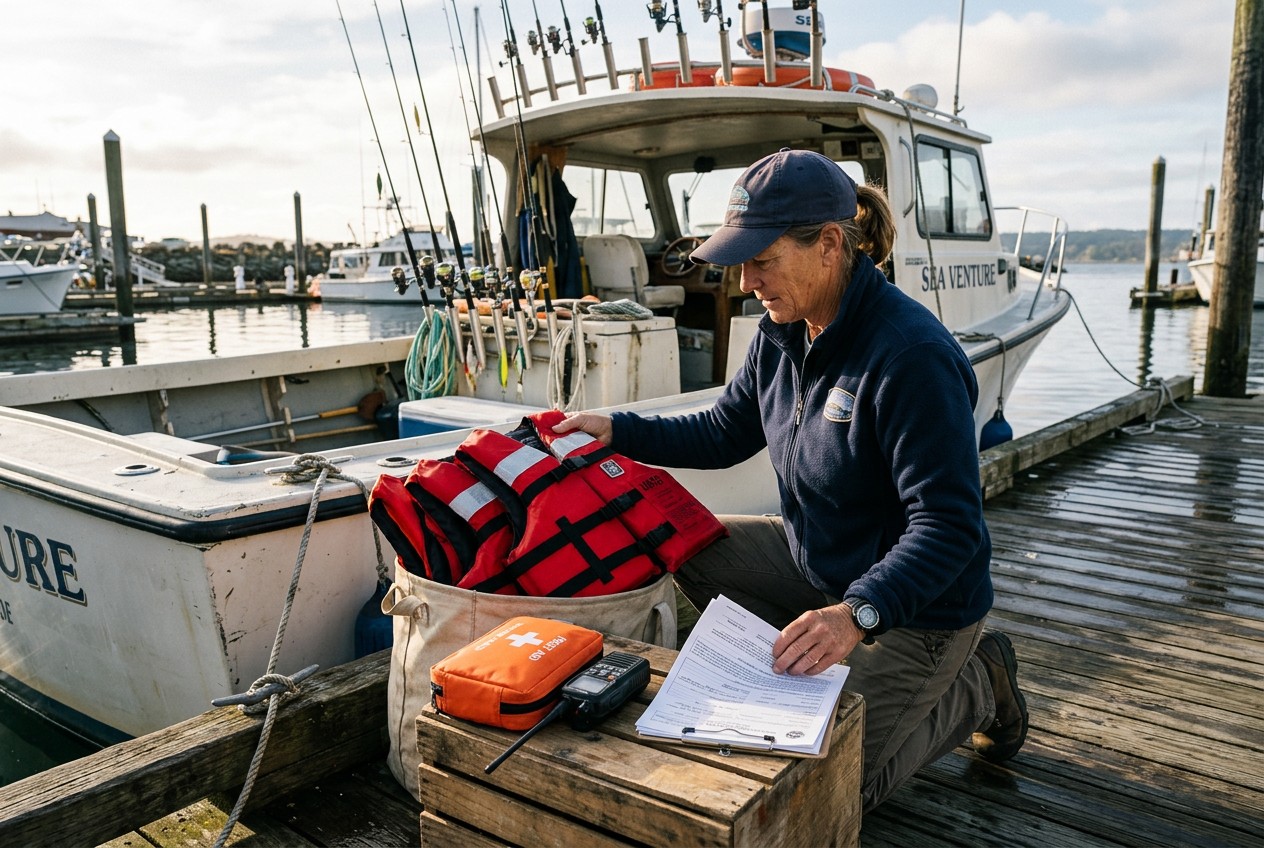
Before booking, confirm that the boat carries:
- Properly sized life jackets for every passenger, including children
- Working marine communication equipment
- Navigation equipment appropriate for the planned water
- Accessible first-aid supplies
- Required signaling and emergency equipment
- A clear procedure for injury, fire, bad weather, or mechanical failure
Photos can help you judge layout, but ask when they were taken. Look for secure railings, uncluttered walkways, sound seating, covered wiring, and a deck free from loose gear or obvious slip hazards.
Finally, ask when safety equipment was last checked and whether the captain gives a briefing before departure. Capacity and equipment requirements vary by location and vessel type, so verify current details with the operator and the relevant maritime or boating authority.
Check 6: Evaluate Reviews, Fishing Reports, and Red Flags
Look for Recent, Verifiable Evidence
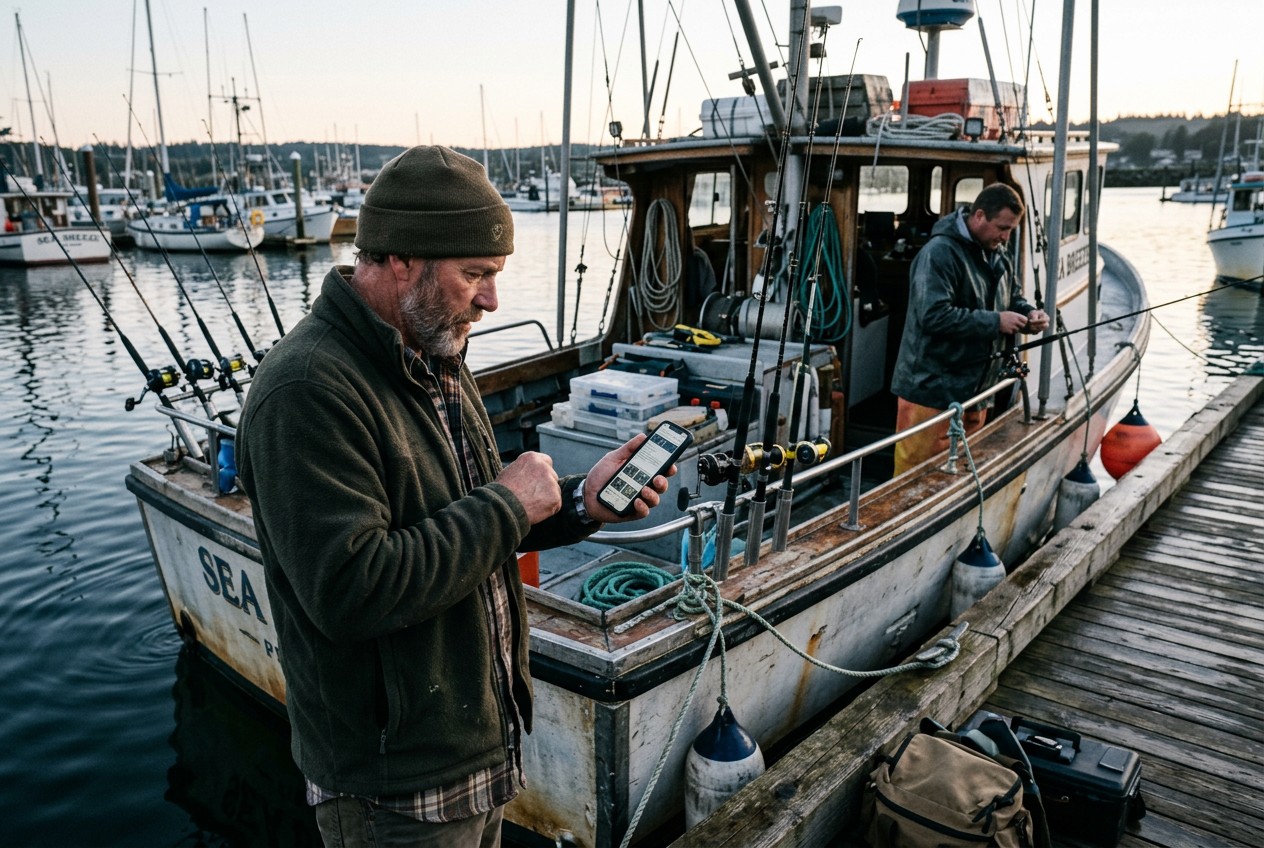
Prioritize reviews from the last 6-12 months, especially those describing the same trip type, season, and group needs as yours. A useful review mentions communication, departure timing, boat condition, crew effort, tackle quality, and how the captain adapted when fishing was slow. Star ratings alone tell you very little.
Cross-check reviews against:
- Dated fishing reports showing changing conditions and techniques
- Customer-tagged photos rather than only polished promotional images
- Consistent boat and captain names across the website, booking page, and social accounts
- Operator responses to complaints, including whether concerns were addressed professionally
- Recent photos showing clean decks, maintained tackle, and appropriate safety equipment
Look at the full pattern. One poor review may reflect a misunderstanding or a rough day, while repeated complaints about late departures, surprise fees, dirty equipment, or unanswered messages deserve attention.
A local tackle shop may offer general insight into respected captains and common fishing conditions. Treat that recommendation as one data point, then verify credentials, policies, boat details, and pricing directly with the operator.
Recognize Common Fishing Charter Red Flags
No captain can control weather, water conditions, or fish behavior. Claims of a “guaranteed catch” need a clear written explanation. Sometimes the promise only means an extra short trip or limited credit, not a refund.
Watch for these warning signs:
- Reviews that repeat identical phrases or appear in a sudden cluster
- No clear captain name, boat identity, meeting location, or business contact
- Old photos presented as current fishing reports
- Frayed line, rusty hooks, damaged rods, dirty decks, or loose equipment
- Slow, evasive, or inconsistent answers to basic booking questions
- Pressure to pay immediately before receiving written terms
- Refusal to document the total price, cancellation policy, or included services
- Catch claims that ignore weather, seasonal movement, and fishing pressure
A credible captain sets realistic expectations. You should hear what has been biting recently, which methods may be used, how conditions could change the plan, and what backup species or locations are available if the preferred bite slows.
Checks 7-8: Calculate the Full Price and Read Every Policy
Check 7: Compare the Total Cost, Not Just the Base Rate
Ask each operator for an itemized, written quote based on your exact date, trip length, destination, and passenger count. Private charters usually price the entire boat up to a stated capacity. Shared charters and party boats commonly charge per passenger, sometimes with minimum booking requirements.
Use the same checklist for every quote:
| Cost item | Confirm before booking |
|---|---|
| Base rate | Trip duration, passenger allowance, and included services |
| Deposit | Amount, due date, and accepted payment method |
| Fuel | Included, fixed surcharge, or calculated after the trip |
| Bait and ice | Included or purchased separately |
| Fishing license | Covered by the vessel or required for each angler |
| Fish cleaning | Included, charged per fish or pound, or unavailable |
| Taxes and fees | Added during checkout or included in the quote |
| Parking | Free, validated, metered, or paid at a marina |
| Gratuity | Included or left separately for captain and crew |
There is no useful universal price range. Rates change with the location, boat size, fuel use, trip length, season, and fishing grounds. When evaluating how much a fishing charter costs, compare final totals for equivalent trips, not two different headline prices.
Check 8: Understand Deposits, Cancellations, and Weather Decisions
Read the deposit and cancellation policy before entering payment details. Get answers to these questions in writing:
- Is the deposit refundable, transferable, or applied to a rescheduled date?
- What is the deadline for a customer cancellation?
- What happens after that deadline or in a no-show?
- Who decides when weather or sea conditions are unsafe?
- Does a captain-initiated weather cancellation produce a refund, credit, or reschedule?
- What happens if mechanical trouble cancels or shortens the trip?
- How are refunds issued, and how long is the rescheduling window?
A poor forecast does not always mean the captain will cancel. Wind direction, wave interval, visibility, thunderstorms, and the planned fishing area all matter. Choosing not to travel while the captain considers conditions fishable may be treated as a customer cancellation.
Also ask whether a shorter inshore trip may replace an offshore run and whether any price difference would be refunded.
Plan for Crew Gratuity and Other Day-of Costs
Gratuity customs vary by region, service level, and crew structure. Many charter customers use 15-20 percent as a starting reference, but ask whether gratuity is included and whether the captain works alone. A four-hour trip can still involve hours of preparation, rigging, cleaning, and maintenance.
Budget separately for parking, food, drinks, required licenses, sunscreen, motion-sickness supplies, and a cooler or ice for cleaned fish.
Checks 9-12: Confirm Comfort, Gear, Catch Rules, and Final Details
Check 9: Plan for Children, Mobility, Comfort, and Seasickness
Give the operator an accurate passenger list, including each child’s age and any guest with limited mobility. Ask about minimum ages, boarding height, dock ramps, steps, handrails, restroom access, shade, dry storage, and secure seating. A legal passenger capacity does not guarantee a comfortable layout.
Also confirm whether the boat can return early if someone becomes sick or exhausted, and whether that affects the price. For seasickness prevention, eat a light meal, avoid excessive alcohol, stay hydrated, and look toward the horizon when underway. Anyone considering motion-sickness medication should discuss timing, side effects, and health conditions with a qualified healthcare professional.
Checks 10-11: Confirm Supplied Gear and Catch Handling
Ask exactly what the charter supplies:
- Rods, reels, line, leaders, hooks, and terminal tackle
- Live, frozen, or artificial bait
- Ice and drinking water
- Rain gear or foul-weather clothing
- Food and drink storage
- Coolers for personal items or cleaned fish
Confirm what you must bring on a fishing charter and what is prohibited. Many operators restrict glass containers, spray sunscreen, large hard coolers, bananas, alcohol, or personal tackle, but rules vary by boat. Wear non-marking shoes and pack weather-appropriate layers even when the morning forecast looks comfortable.
Before departure, settle the catch questions. Who may keep fish? Is catch-and-release required for certain species or encouraged by the operator? Are cleaning, bagging, and cold storage included? Will you need a separate cooler and fresh ice for the drive home?
Ask whether the vessel covers passenger fishing licenses or each angler must buy one. Seasons, size rules, bag limits, and license requirements vary by state, water, and species. Verify the current details with the relevant official state wildlife agency shortly before departure.
Check 12: Send a Final Phone or Email Checklist
Use this sequence before paying:
- Where exactly do we meet, park, and board?
- What are the departure and return times?
- How much of the trip is normally spent fishing?
- Which species and techniques are planned?
- What is the backup plan if conditions or the bite change?
- How many passengers can fish comfortably?
- Which tackle, bait, ice, licenses, and cleaning services are included?
- What is the complete price, including fees and fuel?
- What happens after customer, captain, weather, or mechanical cancellations?
- What clothing, food, medication, identification, and coolers should we bring?
Get the total price, major promises, and policy terms in writing. Then finish the 12-point scorecard and compare operators before submitting the deposit.
Fishing Charter FAQ
What Is the 90/10 Rule in Fishing?
The 90/10 rule is the common idea that roughly 10 percent of the water holds about 90 percent of actively feeding fish. It is a guideline, not a scientific guarantee, and the ratio changes with tides, temperature, bait movement, structure, and season.
A good captain uses local knowledge to narrow the search around productive edges, channels, reefs, or current breaks. That improves efficiency, but no fishing charter can guarantee how fish will respond.
How Do I Choose a Charter and Tip on a Four-Hour Trip?
Prioritize safety, captain experience, recent reviews, boat condition, trip fit, total cost, and clear cancellation terms. Confirm actual fishing time, passenger limits, included tackle, and the backup plan before paying.
Many customers use 15-20 percent as a gratuity reference, but customs vary by region and service. Trip length alone should not determine how much to tip a fishing charter captain. Ask whether gratuity is included, whether the captain works alone, and how tips are shared with the mate or crew.
What Should I Bring on My First Fishing Charter?
Pack only what the operator permits:
- Weather-appropriate layers and a light rain jacket
- Non-marking, closed-toe footwear
- Sunglasses, a hat, and reef-safe sunscreen
- Approved food, drinks, and water
- Identification and any required medication
- A cooler and fresh ice for transporting cleaned fish, if allowed
Follow the operator’s rules for alcohol, glass, spray sunscreen, personal tackle, and coolers.
Boating conditions can change quickly. Follow the captain’s safety briefing and instructions, and wear a properly fitted life jacket whenever required by law, the captain, or current conditions.
Food safety: Keep cleaned fish at 40°F (4°C) or below and transport it in a clean cooler with sufficient ice. When in doubt about how long fish has remained above a safe temperature, discard it.
Hooks, knives, fish spines, and teeth can cause serious injuries. Ask the crew for assistance with unfamiliar fish, deeply embedded hooks, and fish cleaning.
Motion-sickness medicines may cause drowsiness or interact with alcohol, medical conditions, and other medications. Follow the product label and consult a qualified healthcare professional or pharmacist when appropriate.
Sources and verification
- USCG National Maritime Center provides official merchant-mariner credential information.
- USCG federal recreational boating regulations provides federal boating-rule resources.
- NOAA Fisheries fishing resources routes readers to federal permit information and official state fishing agencies.
These sources support the credential, boating-rule and fishing-rule verification steps above. They do not certify or endorse a listed operator, vessel, price, availability, safety practice or fishing outcome; verify the specific trip directly.