Deep Sea Fishing Charter Basics - What to Clarify
Before paying a deposit, define your fishing goal, ask whether it is realistic, confirm what the booking includes, and have the operator explain the weather cancellation policy.
For related terminology, see our overview of an offshore trip.
Set a Realistic Fishing Goal
Ask how the fishing has been and what is typically possible during the season of your trip. Request a detailed explanation of how the day might go.
If you have a specific goal, tell the guide and ask whether your expectations are realistic. If that goal requires advanced skill, training, or physical fitness, prepare well before the trip. When a preferred target is not realistic, invite the guide to suggest a different direction.
Confirm What the Booking Includes
Ask the operator to explain:
- Whether tackle and bait are included
- What other supplies or services are included
- Whether any potential additional costs may apply
- What your group should bring
Resolve unclear answers before paying. For a separate packing discussion, see what the boat supplies.
Ask About the Weather Cancellation Policy
Before submitting payment, ask the operator to explain its weather-conditions cancellation policy and normal procedure. Treat this as a booking-specific conversation and do not assume that another charter uses the same terms.
Weather planning is a separate task. The National Weather Service provides links to marine forecasts, marine observations, and other safe-boating resources.
What to Bring on a Deep-Sea Fishing Trip
Start packing after the operator confirms what is included. The available reliable guidance supports planning food, cold drinks, hydration, motion-sickness advice, and any necessary arrangements for medicines.
Food, Cold Drinks, and Hydration
Unless the operator confirms that provisions are included, plan food and cold drinks for the entire group. Sandwiches or snacks can be kept available during stretches between bites.
For hydration during hot weather, the CDC advises:
- Carrying a water bottle
- Drinking and refilling it throughout the day
- Drinking plenty of fluids
- Considering limits on beverages high in sugar, sodium, caffeine, or alcohol
On hot days, stay in the shade as much as possible and take breaks when you can.
Medicines and Motion-Sickness Planning
The CDC Yellow Book says healthcare professionals should advise travelers on techniques and medications for preventing and managing motion sickness. Before the trip, ask a healthcare professional which approach is appropriate for you.
Do not stop or change your regular medicines without speaking with your doctor. The CDC also notes that some medicines can contribute to dehydration or overheating on hot days, while others need to be kept out of hot places. If the trip could affect a medicine’s schedule or storage, ask your doctor or pharmacist how to plan for it.
How to Manage Motion Sickness at Sea
Motion sickness usually develops gradually, although symptom patterns vary. The CDC describes it as the result of a conflict among visual, vestibular, and motion-related signals.
Recognize the Signs of Motion Sickness
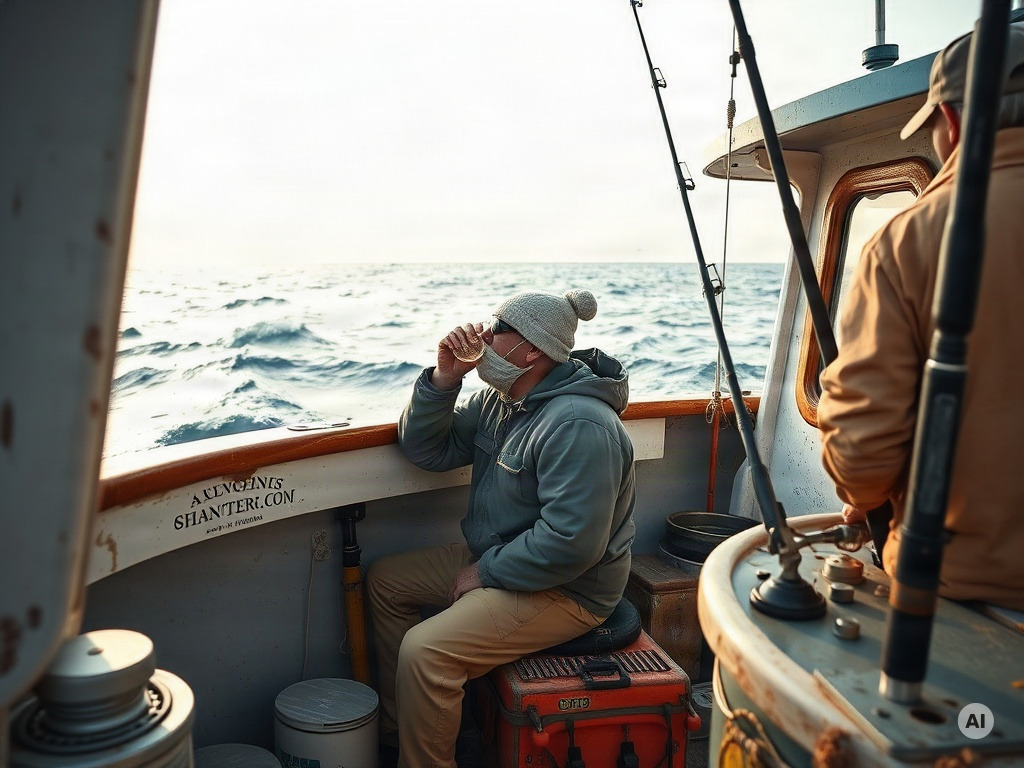
Possible signs and symptoms include:
- Stomach awareness or gastrointestinal discomfort
- Feelings of warmth
- Yawning
- Sweating or facial pallor
- Dizziness or vertigo
- Increased salivation
- Drowsiness or fatigue
- Difficulty concentrating
- Appetite loss
- Nausea
- Vomiting or retching
The progression can move from initial discomfort and warmth through dizziness and nausea to vomiting.
Use a Horizon Reference
Obtaining a visual reference on the horizon has shown some protective effect on ships. It can reduce the mismatch that occurs when the vestibular system detects motion but visual information suggests that the person is stationary.
A horizon view may not be available below deck or in another area with limited outside visibility.
Reduce Visual Scanning and Head Movement
The CDC lists avoiding reading or visual scanning as a behavioral countermeasure. Avoiding head movements can also reduce motion sickness in various transport environments.
Lying flat on your back may help by reducing head movement, although it is not compatible with many active tasks. Use this position only when it does not interfere with onboard safety or necessary activity.
Avoid Areas With the Greatest Motion
Avoiding locations with maximum motion is another listed countermeasure. On a ship, the CDC gives the bow as an example of an area to avoid.
Apart from habituation, the CDC describes the other behavioral countermeasures as only partially effective. A horizon reference, less visual scanning, reduced head movement, and a lower-motion location can therefore be considered together when practical.
Fishing License and Boating Safety Checks
What Should You Ask About a Fishing License?
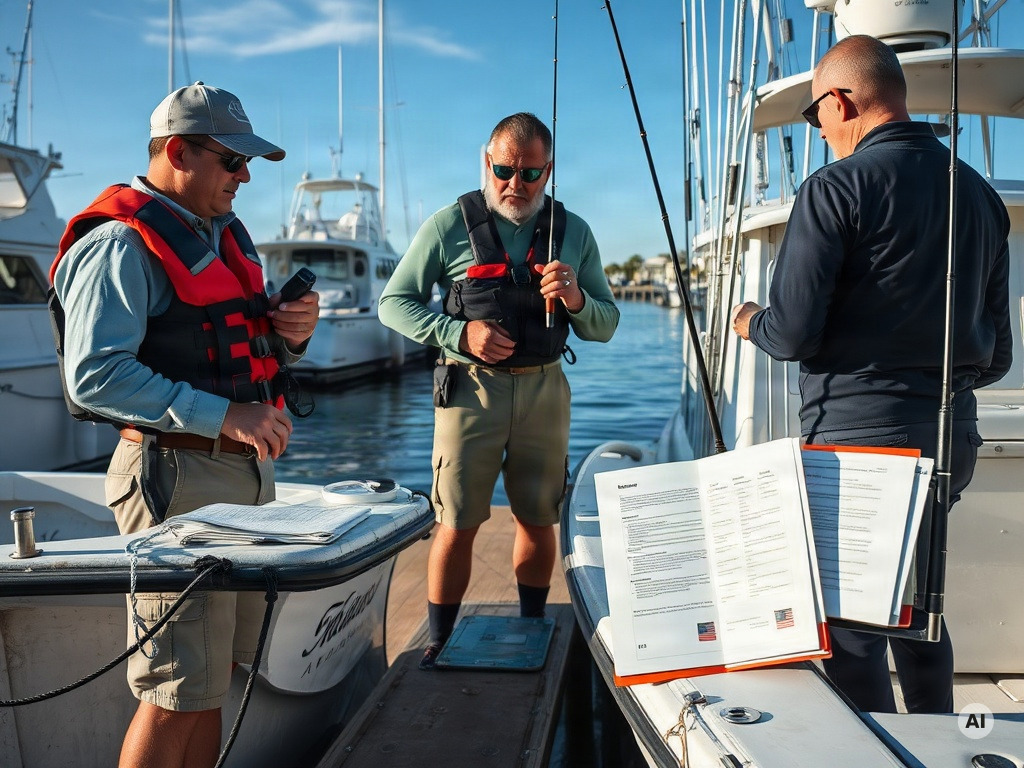
This guide does not determine whether a license or permit is required for your specific booking. As a planning step, ask the charter operator and the government fishing authority responsible for the planned trip:
- What fishing documents, if any, must each passenger have?
- What current rules apply to the planned water and target species?
- Where should those requirements be verified before departure?
Use the answers provided for your specific trip rather than assuming that information from another booking applies.
Review Marine Forecast Resources
The National Weather Service safe-boating page links to NWS Marine Forecasts and Marine Observations. Use the current resources for the area where the trip is planned, while handling any booking consequences according to the cancellation policy explained by the operator.
Check USCG-Approved Life Jackets and Fit
A recreational vessel must have a USCG-approved wearable personal flotation device, or PFD, for every person aboard. Wearable PFDs must be readily accessible.
Use this check:
- Confirm that the device is appropriate for the intended user and activity.
- Read the label for user weight and chest size.
- Choose a fit that is secure, comfortable, and adjustable.
- For a foam-filled device, confirm that it fits snugly and does not rise above the wearer’s chin or ears.
- Do not use a device that is waterlogged, faded, or otherwise damaged.
- Maintain an inflatable device according to the manufacturer’s instructions.
The U.S. Coast Guard says a USCG-approved life jacket or buoyancy aid should be worn whenever the vessel is underway, even where wearing one is not always required by law.
Child life-jacket rules may vary by state, and an adult-sized device may not work for a child. Confirm current child-wear rules with the relevant state boating authority.
Charter Expectations and Gratuity Questions
Keep the Goal Realistic
Tell the guide about any specific outcome you want and ask for an honest assessment of whether it is realistic. If the goal requires a particular skill, prepare in advance and discuss what the guide expects you to do during the trip.
Ask the Operator About Gratuities
This article does not set a gratuity percentage. If you want to plan for a tip, ask the operator directly:
- Is a gratuity expected or optional for this booking?
- If a first mate will be aboard, how should a gratuity be handled?
- Which payment methods are accepted?
For additional question prompts about service throughout the trip, consult the separate guide and confirm the practice directly with your operator.
Post-Trip Seafood and Cooler Safety
Start With a Clean Cooler
Before packing cooked seafood, clean the cooler with hot, soapy water. Cleaning is especially important if the cooler previously transported raw seafood.
After cleaning a cooler that carried raw seafood, sanitize its interior with a kitchen sanitizer. This helps prevent bacteria from raw fish from contaminating cooked seafood or other food.
Keep Seafood Cold
Put seafood on ice or in a refrigerator or freezer promptly. FDA guidance says seafood that will be used within 2 days after purchase should be stored in a clean refrigerator at 40°F or below, with the temperature checked using a refrigerator thermometer.
Otherwise, wrap the seafood tightly in plastic, foil, or moisture-proof paper and store it in the freezer.
Prevent Cross-Contamination
Keep raw seafood physically separate from cooked seafood and ready-to-eat food. After handling raw seafood:
- Wash your hands with soap and warm water for at least 20 seconds.
- Wash cutting boards, dishes, utensils, and countertops with soap and hot water.
- Clean equipment and surfaces between preparing raw seafood and preparing cooked or ready-to-eat food.
- Sanitize cutting boards and countertops after cleaning for added protection.
Deep Sea Fishing Charter FAQ
Are Tackle and Bait Included?
Do not assume they are included. Before paying a deposit, ask the operator whether tackle and bait are supplied and whether any related costs may apply.
Do I Need a Fishing License on a Charter?
This article does not establish a license rule for a particular destination or booking. Ask the operator what documents are needed, then confirm the answer with the government fishing authority responsible for the planned trip.
What Should I Ask About Weather?
Ask the operator to explain the weather-conditions cancellation policy and normal procedure before you pay. Use National Weather Service marine forecasts and marine observations as planning resources.
Should I Tip the Captain or First Mate?
Ask the operator whether gratuities are expected or optional and how they are handled when a first mate is aboard. This guide does not recommend a percentage. For a separate set of planning questions, see how much to tip a fishing charter captain.
Life-jacket safety: Wear a properly fitted, USCG-approved life jacket whenever the vessel is underway. If you are unsure about its fit or use, read the label and alert the crew before departure.
Heat safety: On hot days, stay hydrated, seek shade, and take breaks when possible. Watch for muscle cramps, unusually heavy sweating, shortness of breath, dizziness, headache, weakness, or nausea. Know when to seek medical care, and alert the crew if you need assistance.